The introduction of speed cameras in the UK marked a turning point in road safety enforcement, but today, the very pioneer behind their inception argues that current practices have become excessively punitive, particularly for minor speeding offenses.
The Origins of Speed Cameras and Their Intended Purpose
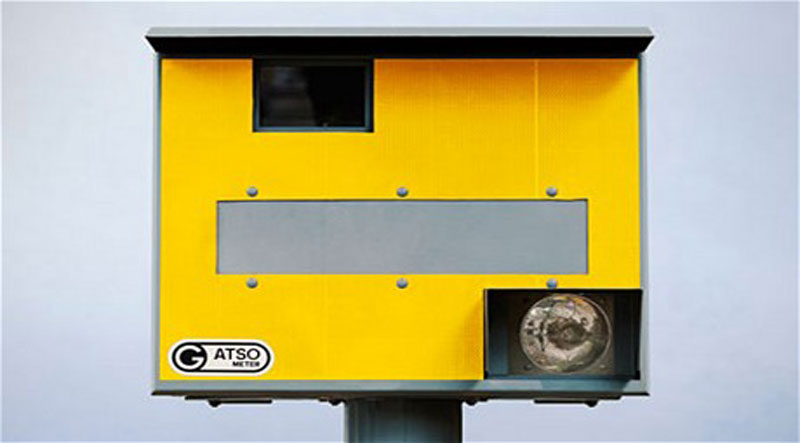
In 1992, Roger Reynolds, a dedicated police officer, spearheaded the installation of the United Kingdom’s first speed camera as a strategic effort to curb dangerous driving and reduce road accidents. At that time, speed cameras were widely hailed as an innovative tool to enhance public safety by discouraging motorists from exceeding speed limits. The underlying goal was straightforward: lower vehicle speeds to save lives and reduce the economic burden caused by traffic collisions.
Reynolds’ vision aligned with the broader movement in traffic law enforcement that sought to leverage technology to encourage compliance and prevent fatalities. Early on, speed cameras were viewed as a deterrent for reckless speeding, especially in high-risk zones such as residential areas and school neighborhoods.
Current Challenges: Public Perception and Enforcement Practices
Decades after their introduction, the landscape surrounding speed camera usage has shifted significantly. Roger Reynolds now contends that enforcement agencies have adopted an overly stringent approach, particularly targeting minor infractions. According to Reynolds, a substantial portion of motorists caught speeding are doing so by only a few miles per hour over the limit. Specifically, law enforcement data reveals that 38% of those detected by speed cameras are driving between 5mph and 9mph above the posted speed limit.
This level of scrutiny has sparked growing frustration among drivers and eroded public support for speed cameras. Reynolds highlights a common sentiment shared by many motorists: while serious speeders who endanger others might justifiably warrant penalties, being fined for driving at 31mph in a 30mph zone feels disproportionate and unfair.
Supporting this observation, research by Confused.com indicates that one in eight drivers penalized were caught for exceeding speed limits by a mere 1mph to 4mph. This narrow margin suggests that the current enforcement regime may focus more on revenue generation than on genuine safety concerns.
In fact, the statistics underscore the scale of speed camera usage today. Nearly a million drivers were caught speeding last year alone, despite the fact that only 23% of the UK’s 1,714 fixed speed cameras were actively operational. An additional 774,537 motorists were penalized by one of the 345 mobile speed camera units scattered across the country.

Why This Matters: The Debate Over Safety Versus Fairness
Roger Reynolds maintains that speed cameras should primarily serve as a tool to reduce harmful speeding and prevent accidents rather than as a mechanism to maximize revenue for local authorities or police budgets. He argues that the original mission, to reduce overall traffic speeds and save lives, has become diluted.
“Initially, we started using them as a road safety tool,” Reynolds explained. “Accidents are costing us millions and millions every day. We need to get back to winning that public support.”
The tension between safety enforcement and perceived fairness has important implications for road users and policymakers alike. Excessive penalties for minor speed violations risk alienating the public, leading to diminished respect for traffic laws and potentially undermining the effectiveness of speed cameras as a safety measure.
Moreover, the economic costs of traffic accidents are staggering, encompassing emergency response, healthcare, insurance claims, and lost productivity. Ensuring that speed cameras target genuinely dangerous behavior, such as excessive speeding in high-risk zones, would better align enforcement with these broader social and economic goals.
Looking Ahead: Balancing Enforcement with Public Trust
The challenge for authorities moving forward lies in recalibrating speed camera policies to strike a balance between deterring dangerous driving and maintaining public confidence. This may involve reconsidering the thresholds for enforcement, increasing transparency about how speed limits are set, and focusing resources on areas with a clear history of accidents and fatalities.
Reynolds’ reflections serve as an important reminder that technology-driven enforcement tools must evolve in response to public sentiment and effectiveness data. By refining the use of speed cameras, the UK can continue to uphold road safety while ensuring that drivers perceive the system as just and reasonable.
Ultimately, the goal remains clear: save lives, reduce injuries, and foster safer roadways for all users. Achieving this requires not only robust enforcement but also trust and cooperation between motorists and law enforcement agencies.