Moscow’s iconic Victory Day parade on Saturday unfolded in an unusually subdued manner, stripped of the usual spectacle that defines this annual celebration. With fewer guests, limited press presence, and notably absent military hardware, the event reflected heightened security concerns overshadowing what is traditionally a grand display of Russia’s military strength.
What Happened: A Parade Unlike Any Other
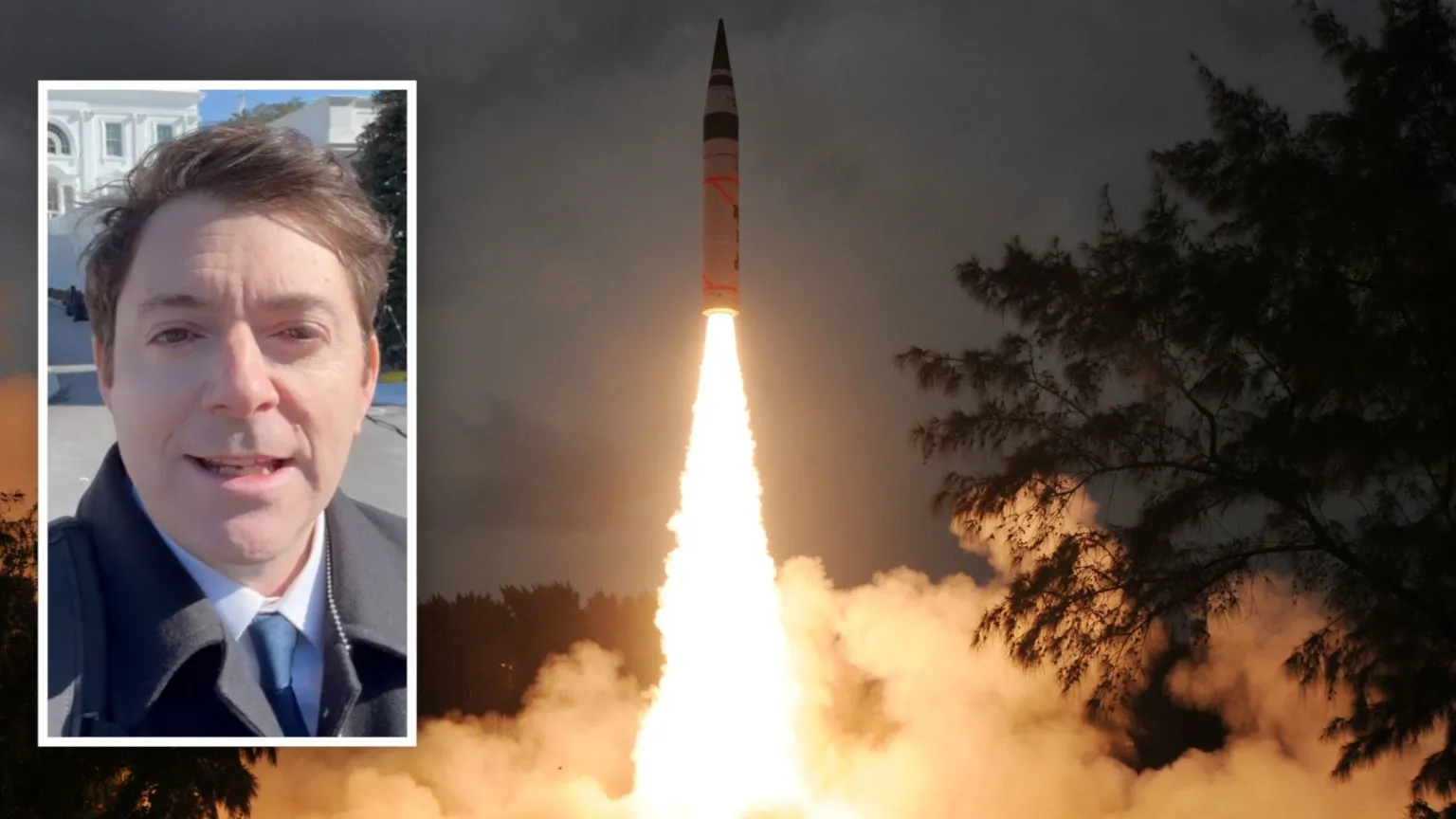
The Victory Day parade, held every year in Moscow’s historic Red Square, commemorates the Soviet Union’s victory over Nazi Germany in World War II. This year, however, Russian authorities imposed strict limitations, drastically reducing attendance and excluding the parade’s signature showcase of tanks, ballistic missiles, and other military vehicles.

Officials cited fears of a potential drone strike by Ukrainian forces targeting the parade, reflecting the ongoing tensions and conflict between Russia and Ukraine. The usual vibrant display of military might was replaced by a more modest procession, signaling a deliberate effort to minimize risk amid escalating hostilities.

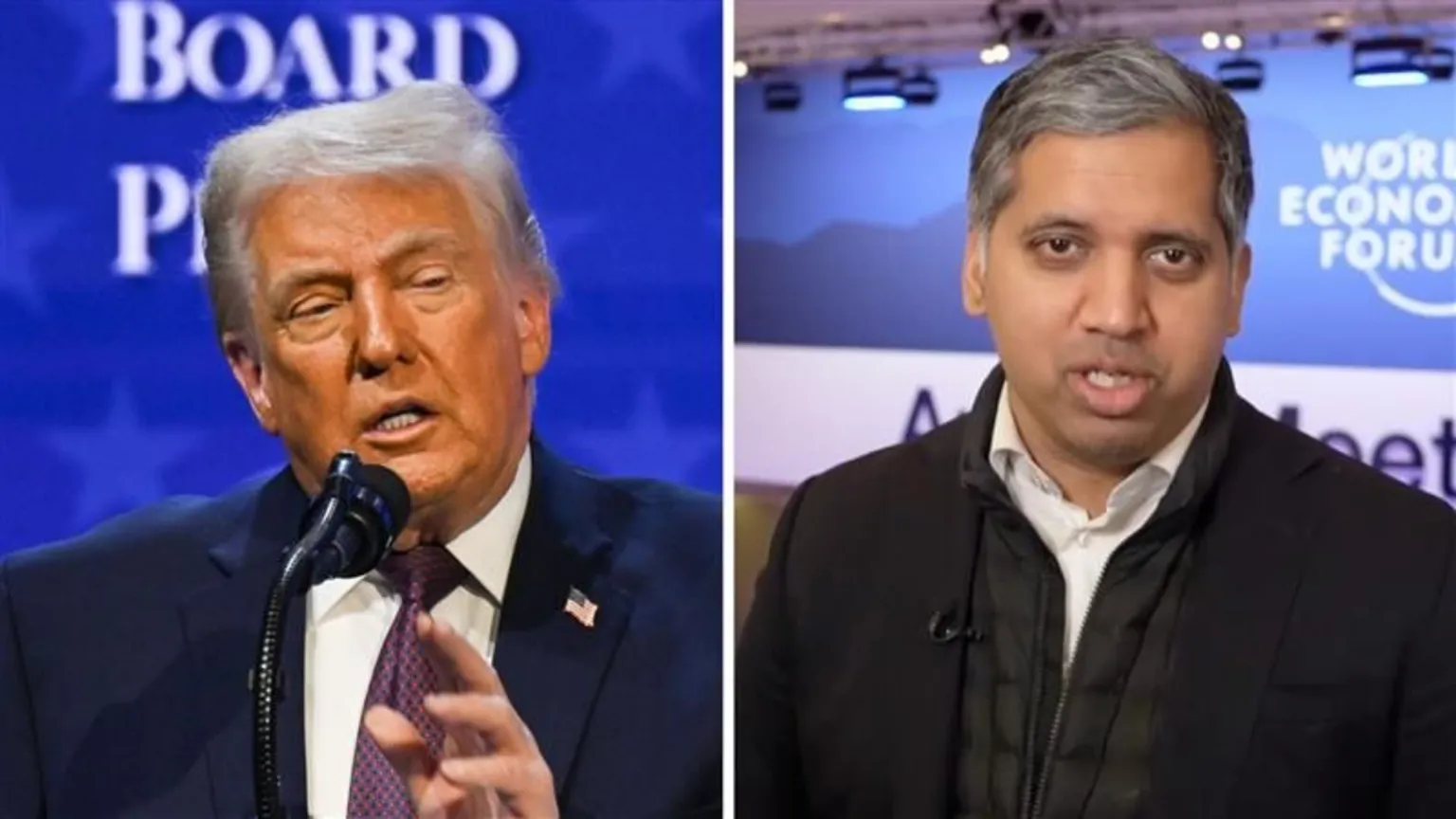
The decision to downscale came after a last-minute ceasefire agreement brokered by then-US President Donald Trump. Under this truce, Kyiv pledged not to target the parade, alleviating immediate threats but not restoring the event to its full traditional scale.
Why It Matters: A Symbol of Shifting Fortunes
The reduced Victory Day parade is more than a simple adjustment for security—it serves as a stark barometer of Russia’s current military and political challenges. The absence of tanks and missile systems, usually paraded with pride, underscores Moscow’s cautious stance amid a war that has not proceeded as expected.
The scaling back signals a possible erosion of confidence within the Russian government in showcasing its military capabilities during a time of active conflict. It also reflects the tangible impact of the Ukraine war on domestic affairs, including heightened security protocols and a more controlled public narrative.

For many observers, the muted parade echoes the complex realities Russia faces on the battlefield and at home. The event’s curtailed nature may affect public morale and international perceptions, highlighting vulnerabilities that contradict the image of unyielding military power Russia often projects.
The Role of International Diplomacy and Media Access
The ceasefire brokered by Donald Trump played a crucial role in preventing potential violence during the parade, illustrating the intricate diplomatic efforts surrounding the Ukraine conflict. Such interventions demonstrate the global stakes involved, where even symbolic events like Victory Day become focal points for international negotiation and security concerns.
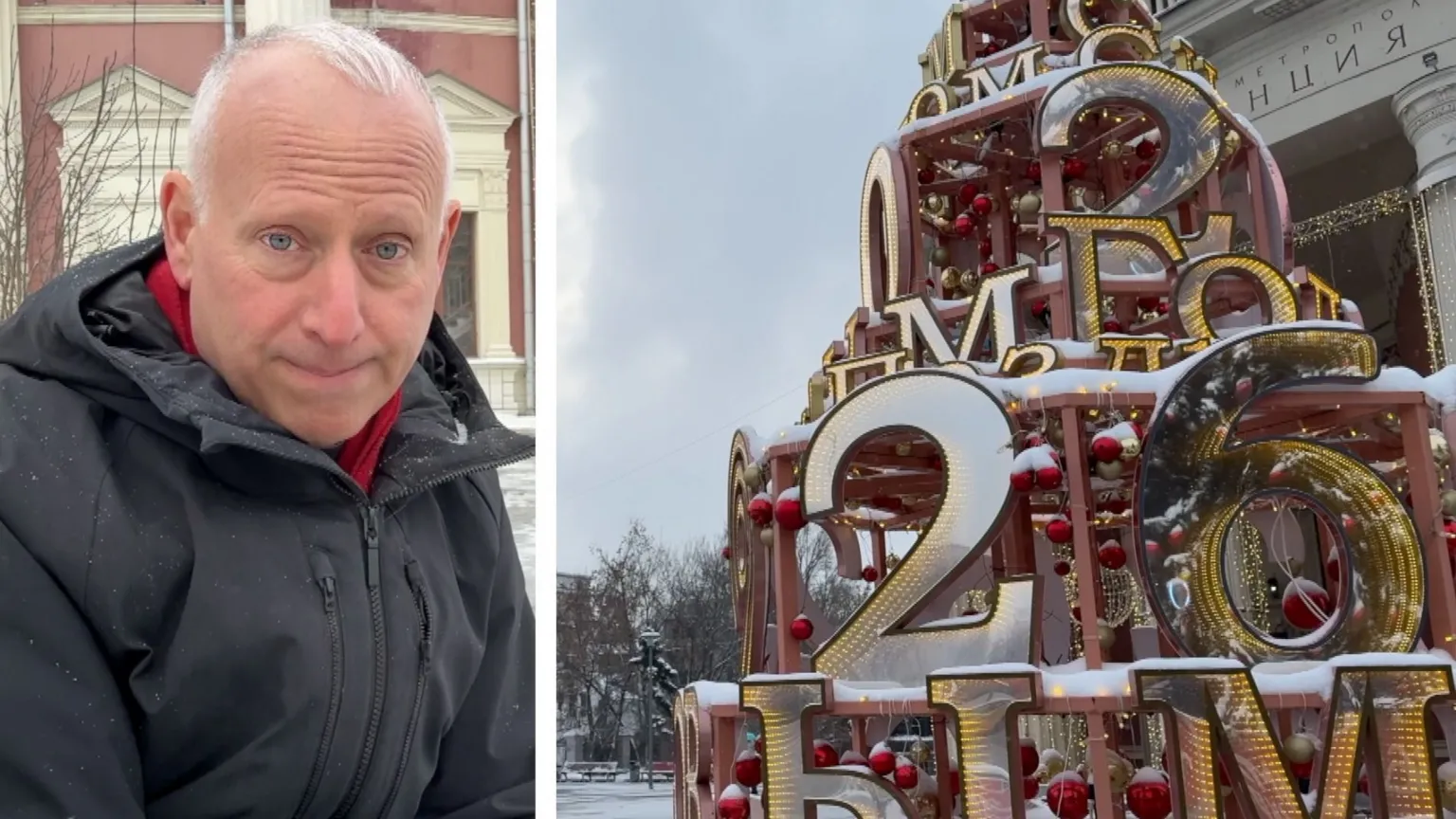
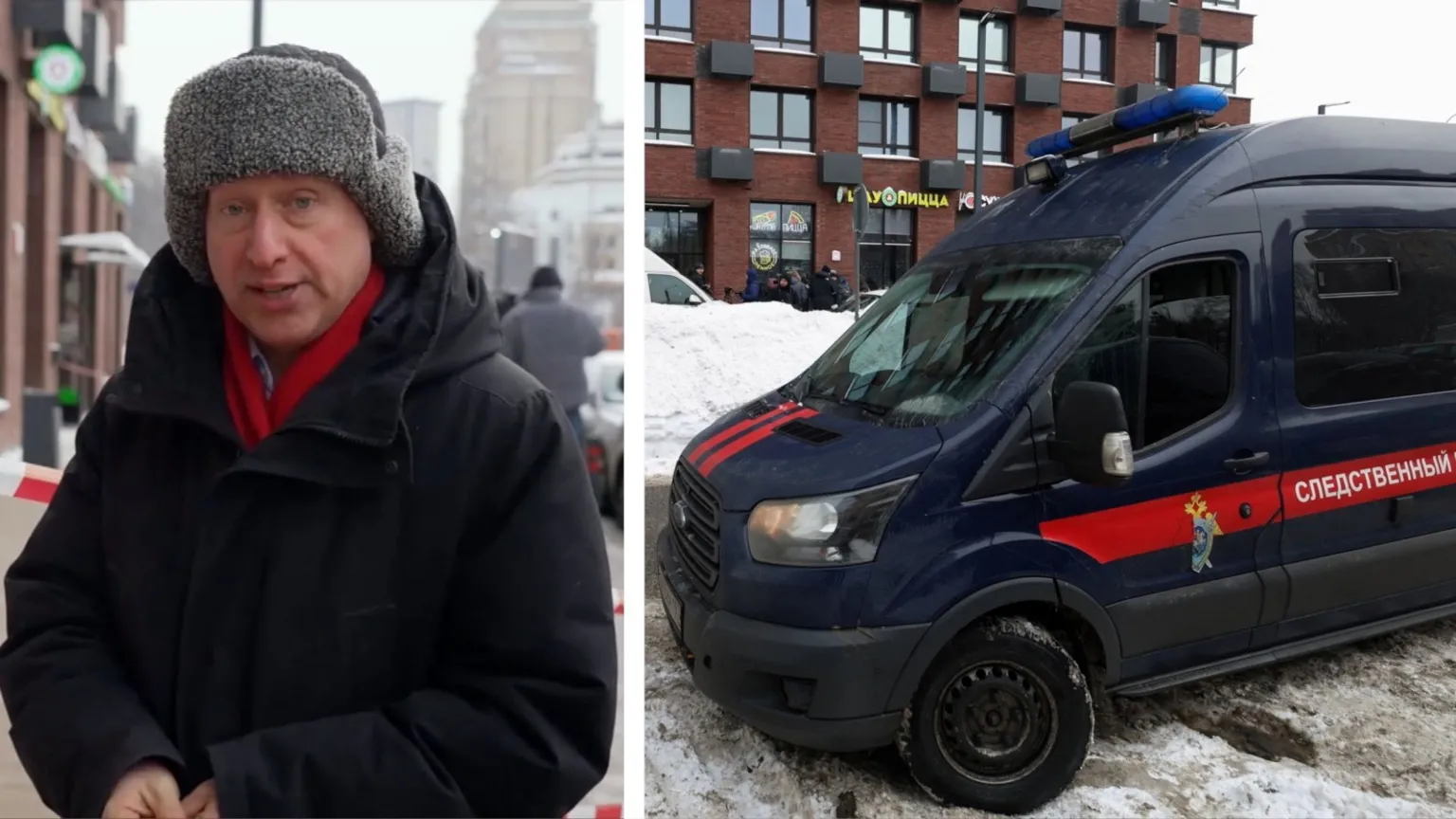
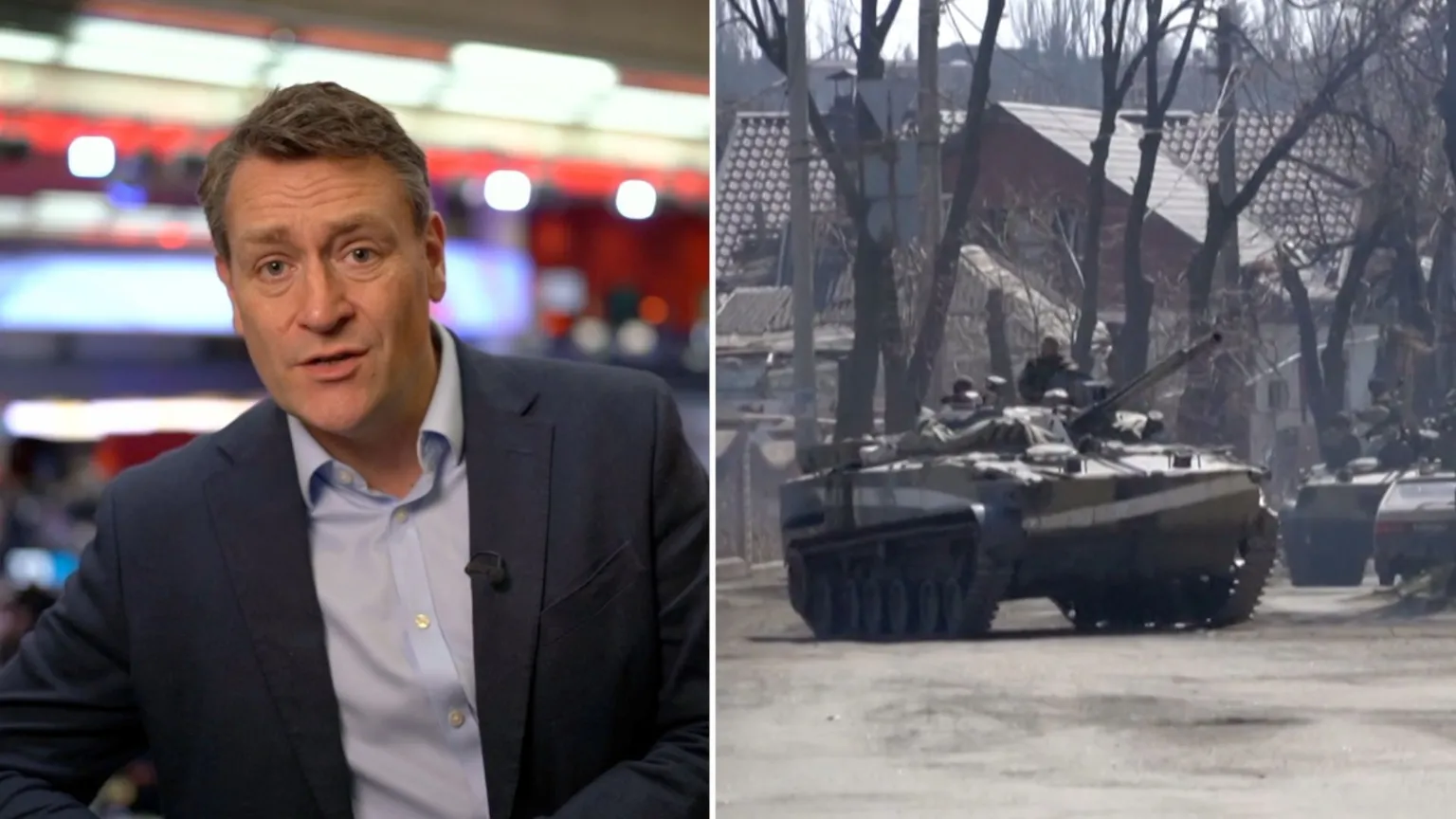
This year’s parade also saw extremely limited foreign media access, with only a handful of international journalists permitted to attend. Among them was the BBC’s Russia editor, Steve Rosenberg, who provided rare firsthand coverage of the subdued event.

The restricted presence of the foreign press further emphasizes the controlled environment around the parade, reflecting Moscow’s intention to tightly manage both the event’s security and its portrayal to the outside world.
What This Means Going Forward
The 2023 Victory Day parade’s scaled-back format offers a compelling glimpse into the broader consequences of the ongoing conflict between Russia and Ukraine. It reveals how military engagements can ripple into public ceremonies that hold deep national significance, altering traditions that have persisted for decades.
As the war continues to unfold, future Victory Day celebrations may remain subject to similar constraints or evolve in unexpected ways, depending on developments on the ground and diplomatic dynamics. For Russia, balancing the dual imperatives of national pride and security will likely remain a delicate challenge.
Ultimately, the quieter parade in Red Square serves as a powerful reminder that the conflict’s impact extends beyond battlefields, influencing Russia’s domestic atmosphere, international image, and the collective memory it seeks to preserve through Victory Day commemorations.