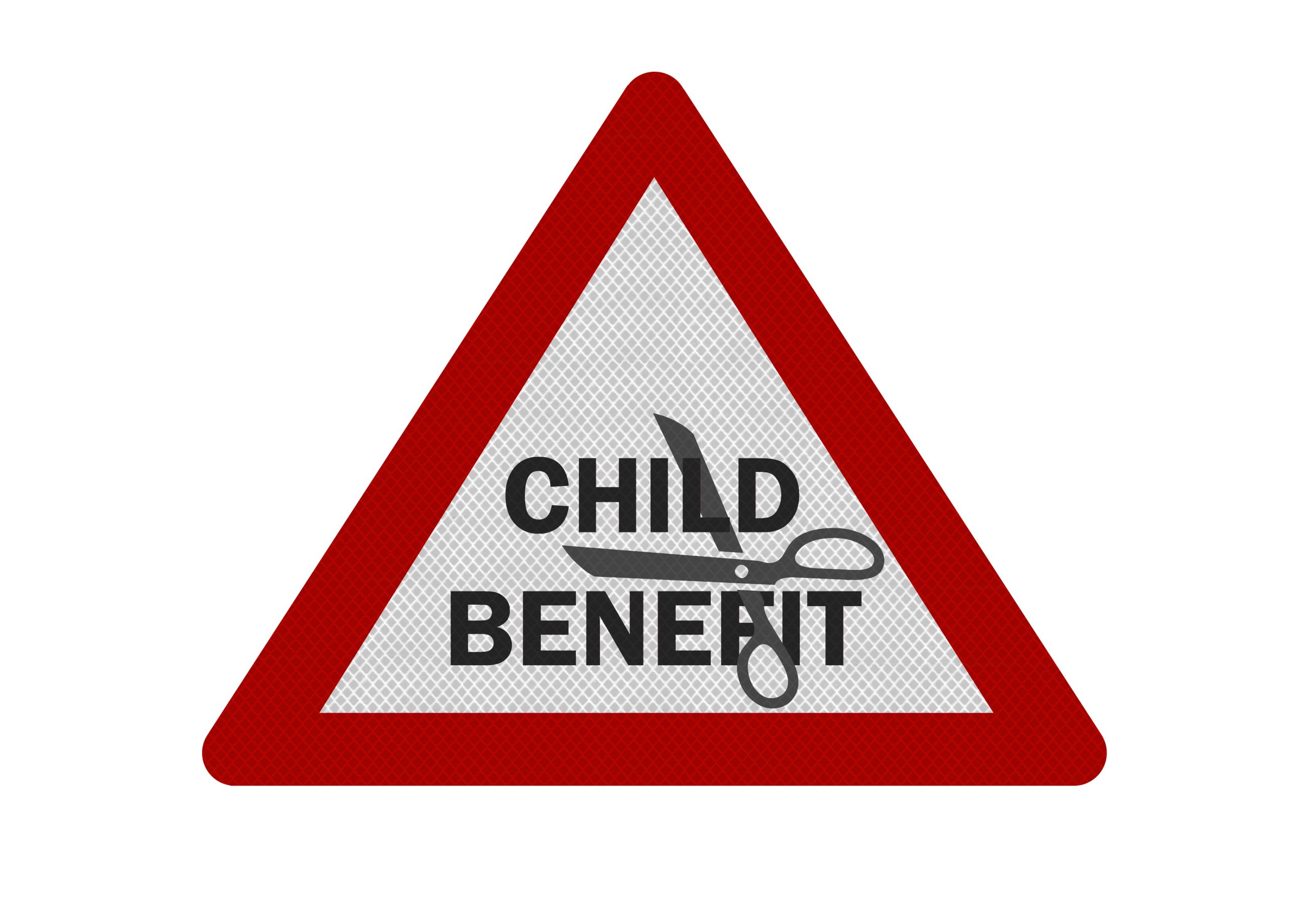
Iain Duncan Smith, the Secretary of State for Work and Pensions, has introduced a bold initiative aimed at reforming the child benefit system, sparking intense debate about welfare policy and family finances in the UK. His proposal challenges longstanding assumptions about state support for families, particularly those on welfare, by questioning whether current benefits inadvertently remove financial responsibility from parents when deciding how many children to have.
__IMAGE_PLACEHOLDER_1__
The Rationale Behind the Welfare Reform
Duncan Smith argues that the existing child benefit framework encourages families receiving welfare support to expand without fully considering the economic implications of a larger household. He describes this as “madness,” expressing concern that the state subsidizes families with multiple children without encouraging fiscal prudence. His position hinges on the belief that most families naturally plan their family size based on their financial means, but welfare provisions can sometimes insulate recipients from this critical calculation.
“Most families make decisions about the number of children linked to what they can afford,” Duncan Smith emphasizes. However, he points out that welfare recipients often do not face this same financial pressure because benefits provide a cushion, potentially leading to decisions that may not align with their actual economic capabilities. He stresses the importance of linking family planning to realistic household budgets, urging a reform that would introduce limits to welfare payments related to child benefit.
Details of the Proposed Child Benefit Changes
The Work and Pensions Secretary proposes capping child benefit payments for families with more than two children, a move aimed at encouraging financial responsibility and reducing dependency on state support. He suggests starting the limit at the third child, effectively placing a ceiling on the number of children receiving benefits for families reliant on welfare.
Duncan Smith refutes the notion that this reform targets only a small number of families, insisting it concerns “large numbers” who currently benefit from an unrestricted system. His concern extends to the broader message welfare sends about work and dependency. He contends that benefits should serve as a temporary support mechanism rather than a permanent lifestyle, especially for those able to work. “Benefits should be, for many people – unless you are chronically sick – a temporary place, a place you then move on from and into work,” he explains.
By introducing this cap, Duncan Smith aims to realign welfare policy with principles of personal responsibility and economic sustainability. He views the current system’s tolerance for ongoing benefit dependency as unacceptable, advocating a model that encourages individuals to seek employment and self-sufficiency.
__IMAGE_PLACEHOLDER_2__
Challenges and Wider Context of Child Benefit Reforms
These proposed changes come amid broader government efforts to tighten welfare spending and encourage employment among benefit claimants. However, the implementation of such reforms presents notable challenges. For example, HM Revenue & Customs (HMRC) has faced difficulties communicating recent child benefit adjustments to affected families, particularly those impacted by income thresholds.
Under a related scheme introduced by former Chancellor George Osborne, households where one parent earns more than £50,000 began to see a reduction in child benefit payments. Families surpassing the £60,000 income mark lose child benefit entirely. HMRC plans to send explanatory letters to taxpayers in the coming weeks, but there have been concerns about clarity and confusion surrounding these complex rules.
This backdrop highlights the administrative and political complexity of reforming welfare benefits tied to family size and income. Duncan Smith’s proposal to cap child benefit for larger families on welfare adds another layer to this evolving policy landscape, underscoring the government’s determination to recalibrate welfare in line with fiscal responsibility and social expectations.
__IMAGE_PLACEHOLDER_3__
Why This Reform Matters
The push to reform child benefit touches on fundamental issues about the role of government in supporting families and the balance between aid and accountability. Duncan Smith’s stance reflects a broader ideological perspective within the Conservative Party that welfare should incentivize work and self-reliance rather than create dependency.
For families, these changes could have significant financial implications, especially for those currently reliant on child benefit as a key part of their income. Policymakers must carefully weigh the social and economic impacts of capping benefits against the potential benefits of encouraging responsible family planning and reducing long-term welfare costs.
Moreover, this debate raises important questions about fairness, particularly for families on the margins of the income thresholds or those with children born under challenging circumstances. The government’s approach could set a precedent for future welfare reforms, influencing how support programs evolve to meet changing societal needs.
Looking Ahead
As these child benefit reforms move forward, the government will need to address the practical complexities of implementation and communication to ensure affected families understand the changes and their rights. The success of the reforms will depend not only on policy design but also on effective administration and public engagement.
Ultimately, Iain Duncan Smith’s welfare proposals represent a significant shift in how the UK balances support for families with fiscal responsibility and social policy goals. They invite a broader conversation about the sustainability of welfare systems and the responsibilities of both the state and individuals in managing family finances and planning.