A chilling plan for a mass gun attack was uncovered when Alfie Coleman, a 19-year-old neo-Nazi, was apprehended while attempting to purchase semi-automatic weapons. His target list included customers and colleagues from the Tesco supermarket where he worked, exposing a disturbing level of extremist violence brewing within the community.

The Plot Unveiled: Kill Lists and Weapons Acquisition
Coleman meticulously compiled a “kill list” naming former Tesco colleagues and shoppers he labeled as “race traitors,” targeting individuals in interracial relationships. The list included detailed descriptions, vehicle number plates, and personal traits—such as a checkout worker described as having “short blonde hair with bits of pink” and a husband of mixed race. This level of detail underscored the seriousness of his intentions.
Using £3,500 saved from his part-time job, Coleman sought to arm himself with a Makarov semi-automatic pistol, five magazines, and 200 rounds of ammunition. Unbeknownst to him, his communications on encrypted messaging apps were monitored by undercover MI5 agents for months. The operation culminated on 29 September 2023, when officers confronted him in a Morrisons car park in Stratford. Video footage showed Coleman dropping to his knees and being handcuffed as shoppers looked on in disbelief.
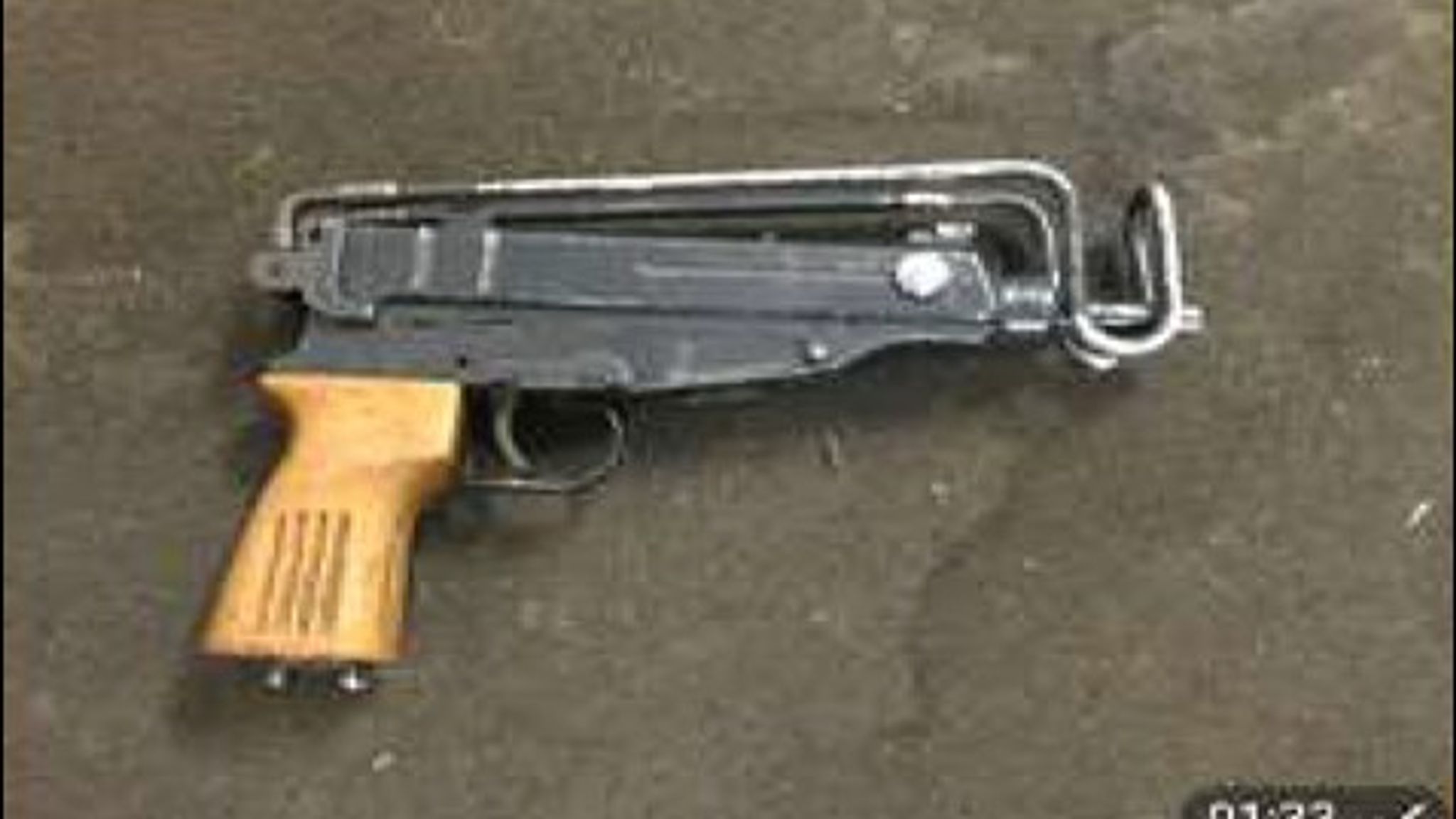
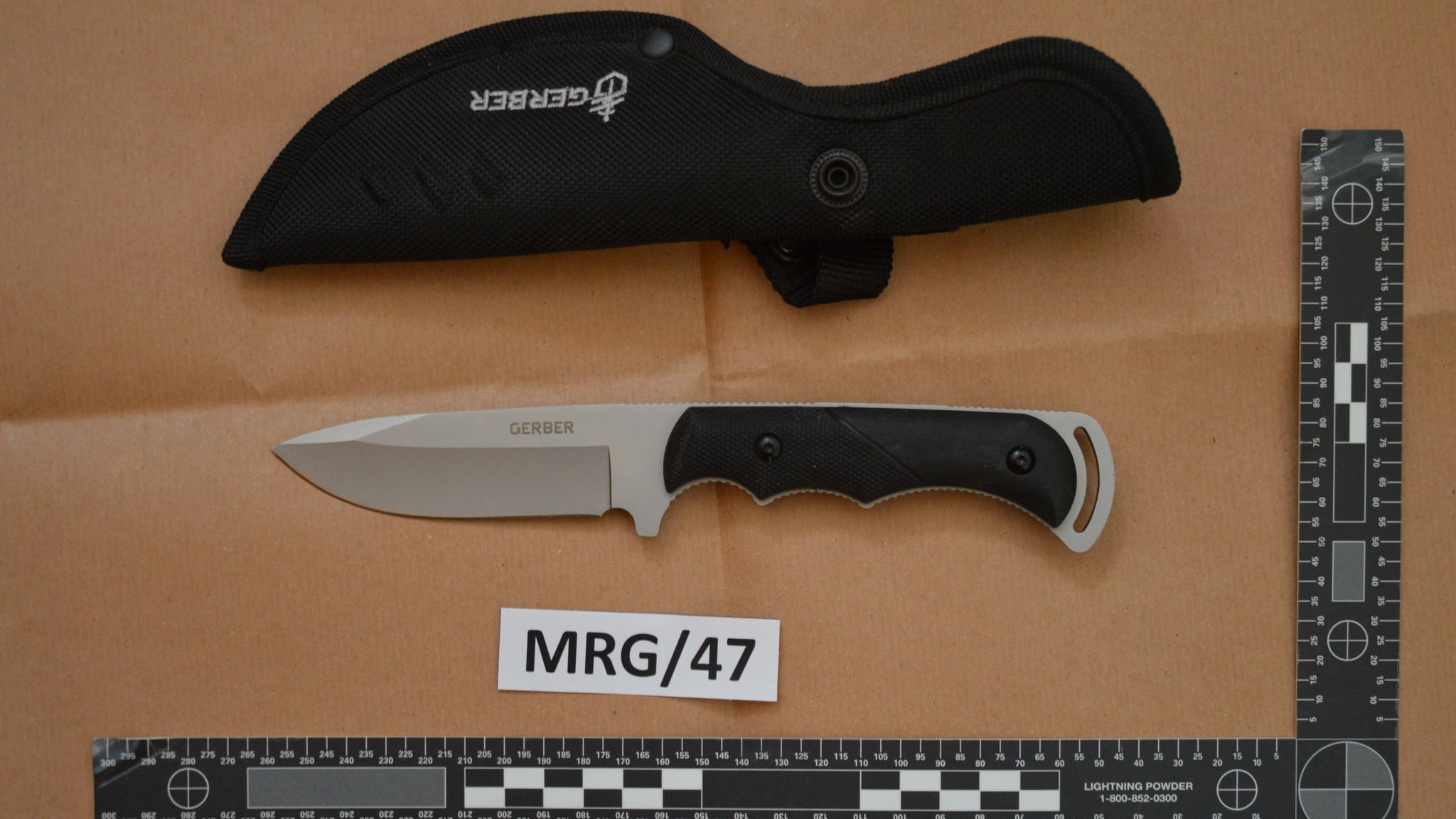
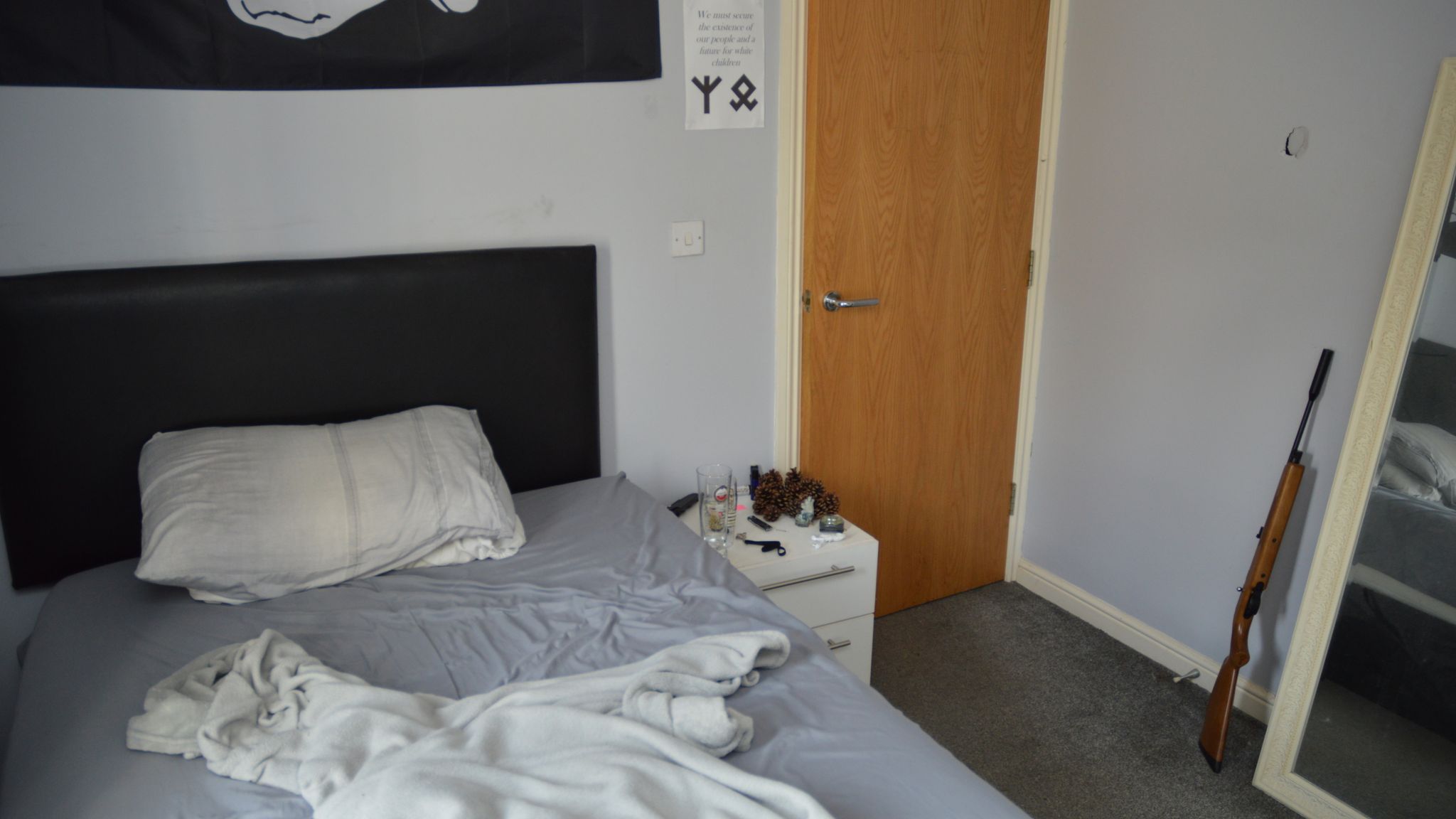
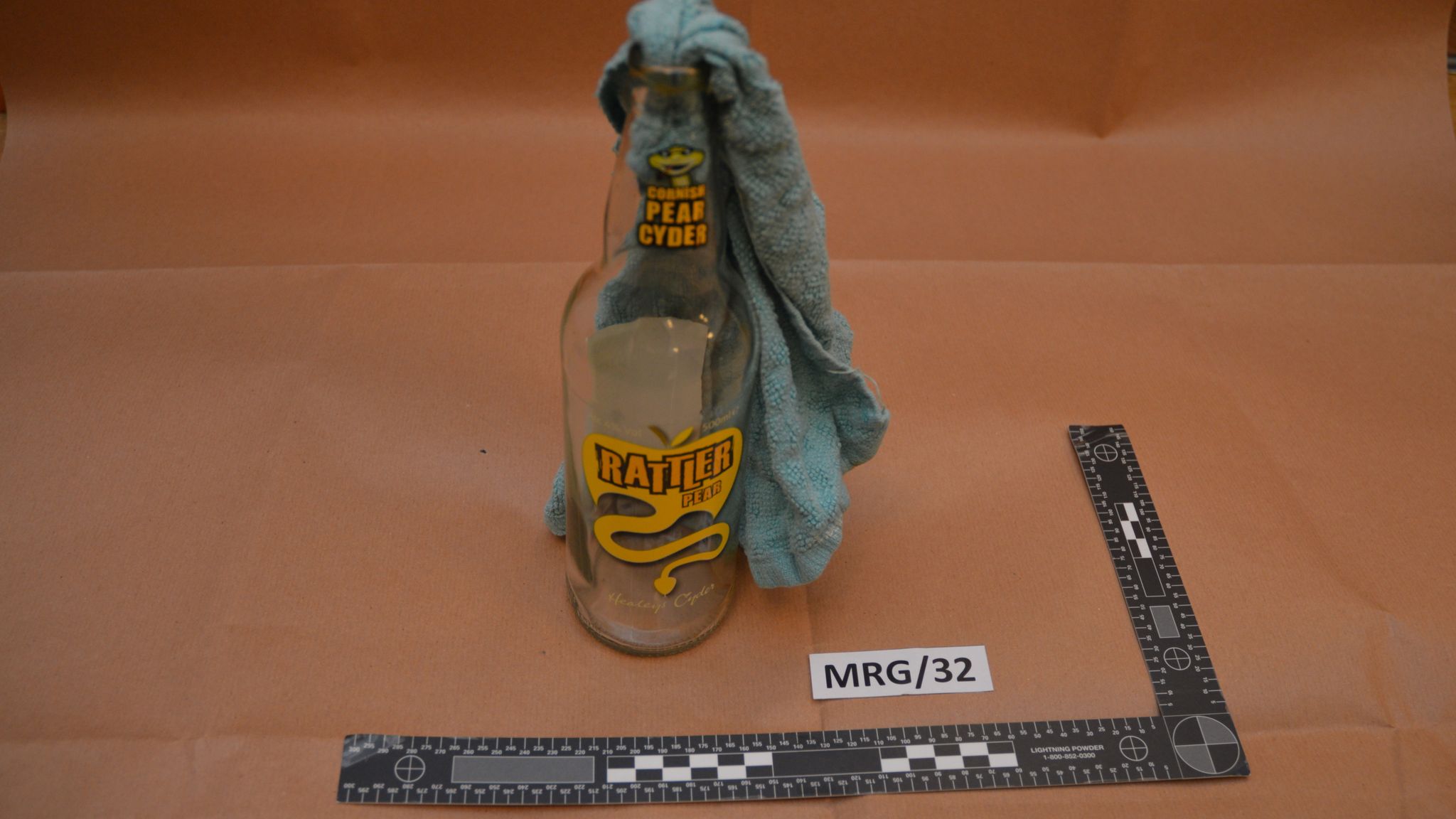
During his arrest, Coleman was found with a holdall containing a deactivated pistol and cash in his vehicle. His home revealed a collection of weapons, including knives and a petrol bomb, alongside neo-Nazi paraphernalia, such as an SS flag. These items painted a grim picture of a young man deeply embedded in extreme right-wing ideology.
Deep Roots in Extremism and Terror Planning
Investigations exposed Coleman’s radicalization beginning as early as age 14, when he searched for the Ku Klux Klan. His electronic devices contained manuals on explosives and assassination techniques, including The White Resistance Manual and 21 Techniques of Silent Killing. His personal diaries outlined plans for terrorist acts and a manifesto that drew inspiration from notorious extremists like Dylann Roof, Anders Breivik, and Brenton Tarrant, whom he referred to as “warriors.”
Among his targets was London Mayor Sadiq Khan, although Coleman mistakenly recorded the Lord Mayor’s address instead. He also plotted to bomb cash machines and hijack planes—plans prosecutors described as “far-fetched and childish” but indicative of a dangerous mindset. His extremist beliefs glorified Adolf Hitler and Thomas Mair, the latter known for the 2016 murder of MP Jo Cox.
MI5 Sting and Arrest
As Coleman’s activity increased within far-right online chat groups, MI5 operatives gained his trust, discussing the procurement of submachine guns and AK-47s. His research extended to travel plans in northern France, where he ominously searched for mosque locations, suggesting potential targets for attack. Though he did not travel, MI5 orchestrated a sting operation offering him a semi-automatic pistol for the cash he had saved.
The Metropolitan Police described Coleman as being in the “advanced stages of radicalisation” and actively preparing an attack, necessitating swift intervention to protect the public.
The Broader Context: Youth Radicalization and Extremism
Detective Chief Superintendent Helen Flanagan highlighted that Coleman’s case exemplifies a troubling trend of young people gravitating toward extremist ideologies. She revealed that one in five counter-terrorism arrests involve individuals aged 17 or younger, with half of the referrals to the government’s Prevent anti-radicalisation scheme concerning children.
Despite his deepening extremism, Coleman had no prior police contact or referrals to Prevent, and his parents were unaware of his dangerous mindset. Inside prison, he continued to embrace neo-Nazi symbolism, drawing swastikas and quoting cult figures like Charles Manson, stating: “Under no circumstances will I betray my race for less jail time.”

Legal Outcome and What Lies Ahead
Previously, Coleman pleaded guilty to possessing a prohibited firearm and ammunition, as well as ten counts related to possessing material useful for terrorism. However, he denied plotting a terror attack, and a jury initially failed to reach a verdict on preparing terrorist acts. After a retrial, he was convicted of preparing acts of terrorism.
His defense portrayed him as a “lonely teenager” isolated during COVID-19 lockdowns who, while obsessed with guns, had no real intention of killing. The court disagreed, emphasizing his detailed planning and extremist writings.
Why This Case Matters
Coleman’s story serves as a stark warning about the rise of far-right extremism among youth in the UK and the critical role of intelligence agencies in pre-empting attacks. His progression from online radicalization to concrete terror planning underscores the urgent need for early intervention and robust community awareness.
The case also reveals gaps in preventive measures, as Coleman’s dangerous ideology flourished unnoticed by family and authorities until he reached a critical point. It highlights the importance of supporting vulnerable young people and monitoring extremist content in digital spaces to prevent similar tragedies.
As authorities continue to combat the threat of domestic terrorism, Coleman’s conviction reinforces the message that law enforcement and intelligence services remain vigilant and capable of dismantling plots before they materialize.