

More than a thousand residents in Plymouth faced a sudden evacuation after an unexploded World War II bomb was uncovered at a building site in the Southway area. The discovery of this dangerous ordnance sparked an urgent safety operation, disrupting daily life and mobilizing specialist teams to secure the device.
The Discovery and Immediate Response
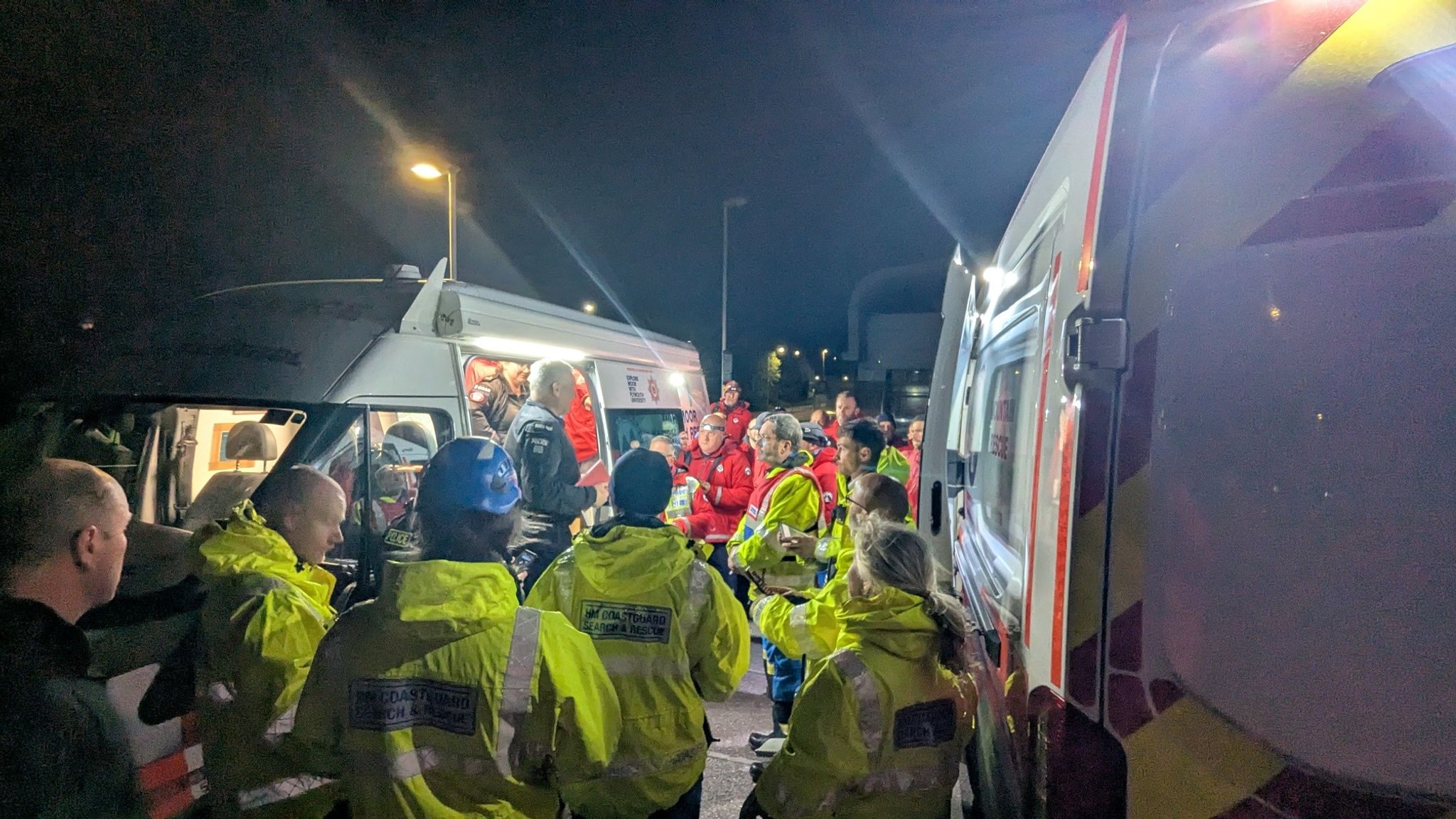
The alarming find occurred on Wednesday afternoon at approximately 2:30 pm on Flamborough Road, Southway, when construction workers reported a suspected bomb. Police quickly responded, and the area was cordoned off to prevent any risk to the public. The scale of the threat became clear as Royal Navy unexploded ordnance (UXO) specialists arrived to assess the device during overnight operations.
By Thursday morning, authorities confirmed the bomb was a German SC250, a 250-kilogram air-dropped explosive used extensively in WWII. This type of bomb poses a significant hazard due to its size and the potential instability after decades underground.
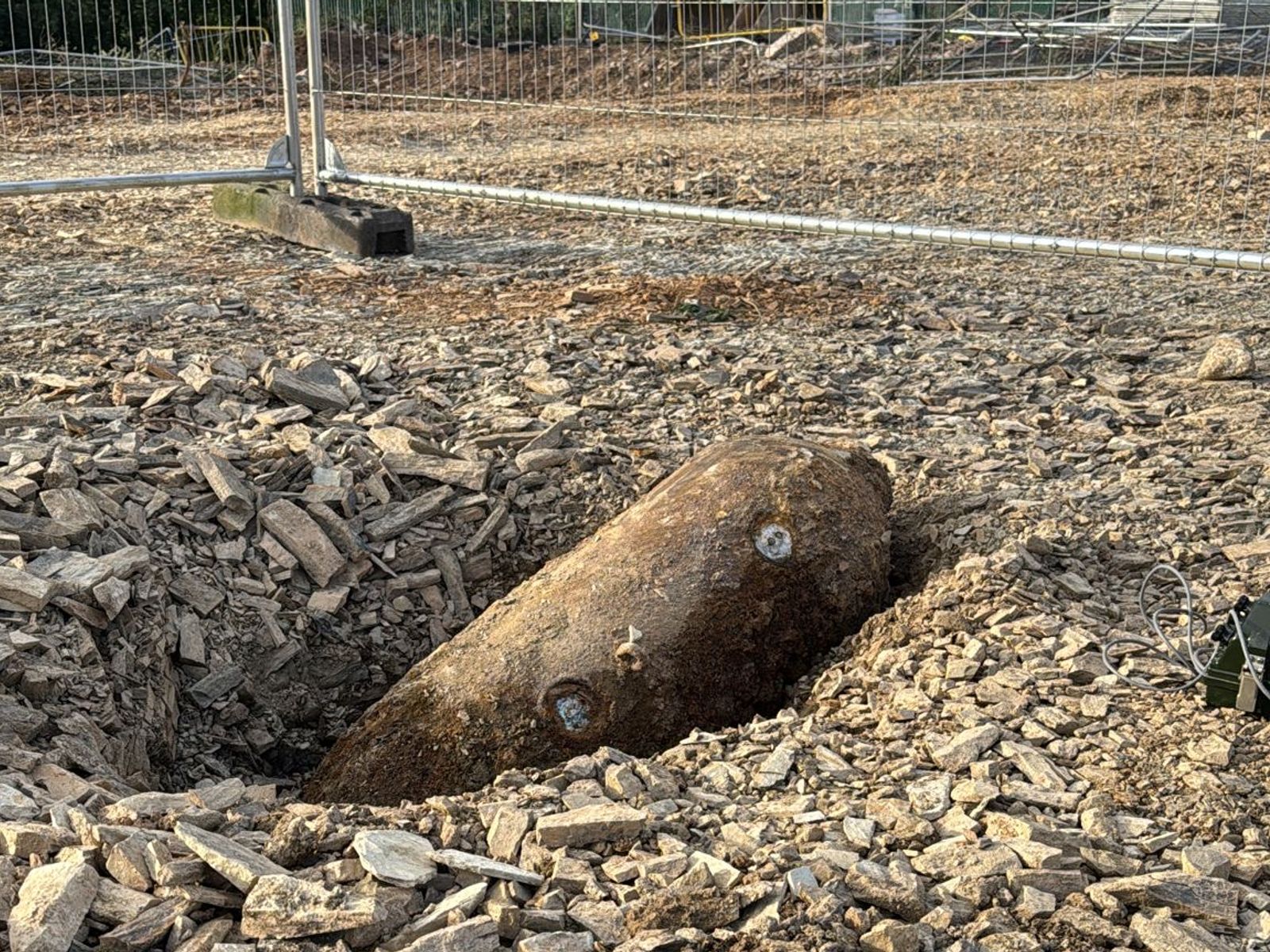
To stabilize the bomb and minimize the risk of detonation, Plymouth City Council provided more than 400 tonnes of sand. This material was carefully applied by the specialists to secure the ordnance. Additionally, enhanced X-ray technology was brought to the scene, allowing experts to conduct a detailed internal examination of the bomb’s condition and plan a safe disposal strategy.
Evacuation and Public Safety Measures
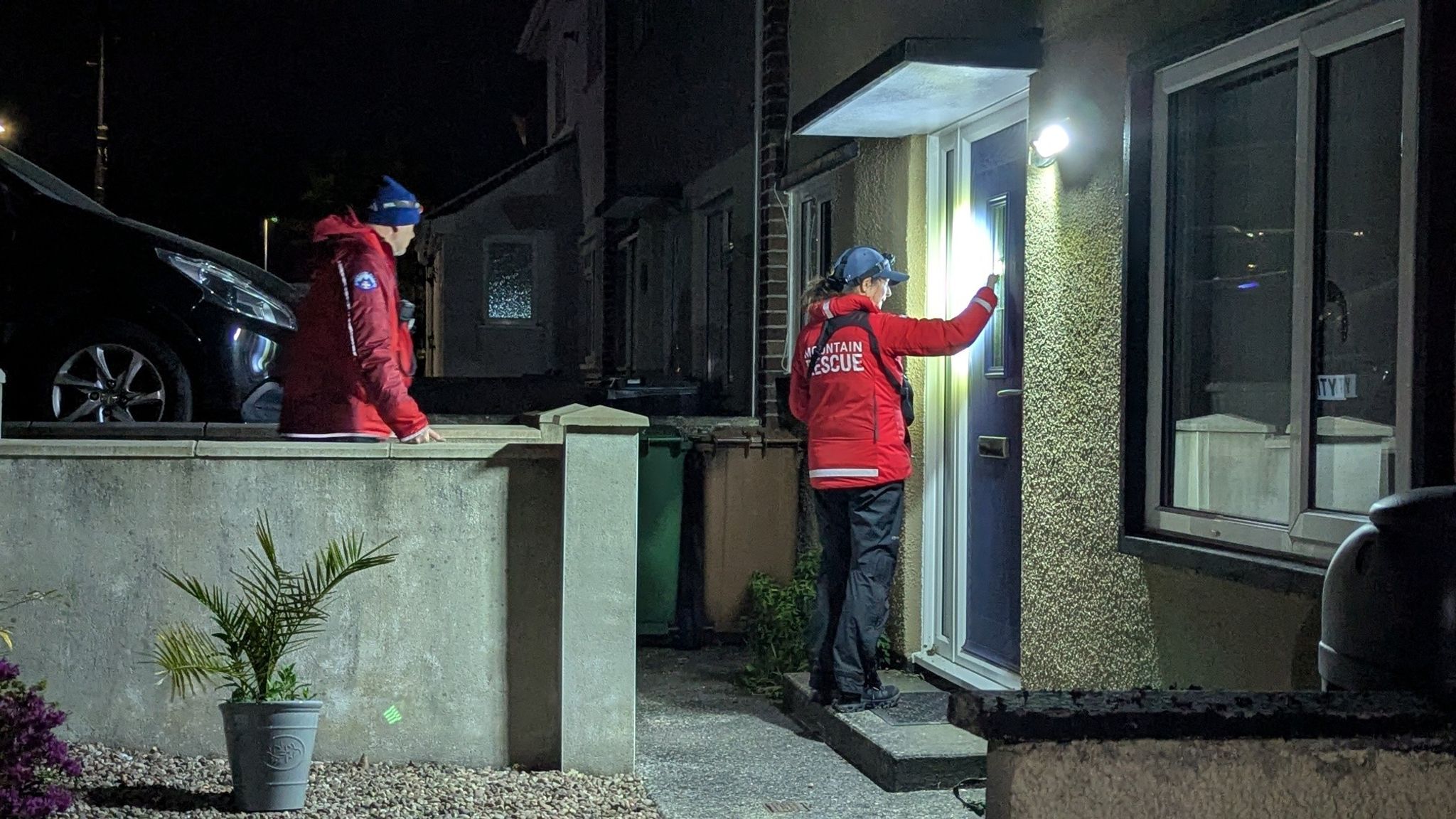
The discovery forced the evacuation of over 1,000 homes within a 400-meter radius of the site. Police and council officials conducted door-to-door visits, urging residents to leave immediately for their safety. The council acknowledged the disruption caused but emphasized that making the area safe required a complete evacuation.
Residents were advised to take essential belongings such as medication and to turn off water supplies and open windows before leaving. Those displaced were encouraged to stay with friends or family, or to seek refuge at the Southway Youth and Community Centre, which has become a support hub offering shelter and assistance. Over 50 individuals have used the centre, and roughly 25 households have been placed in temporary accommodation. The council also ensured that pets were welcome at the facility.
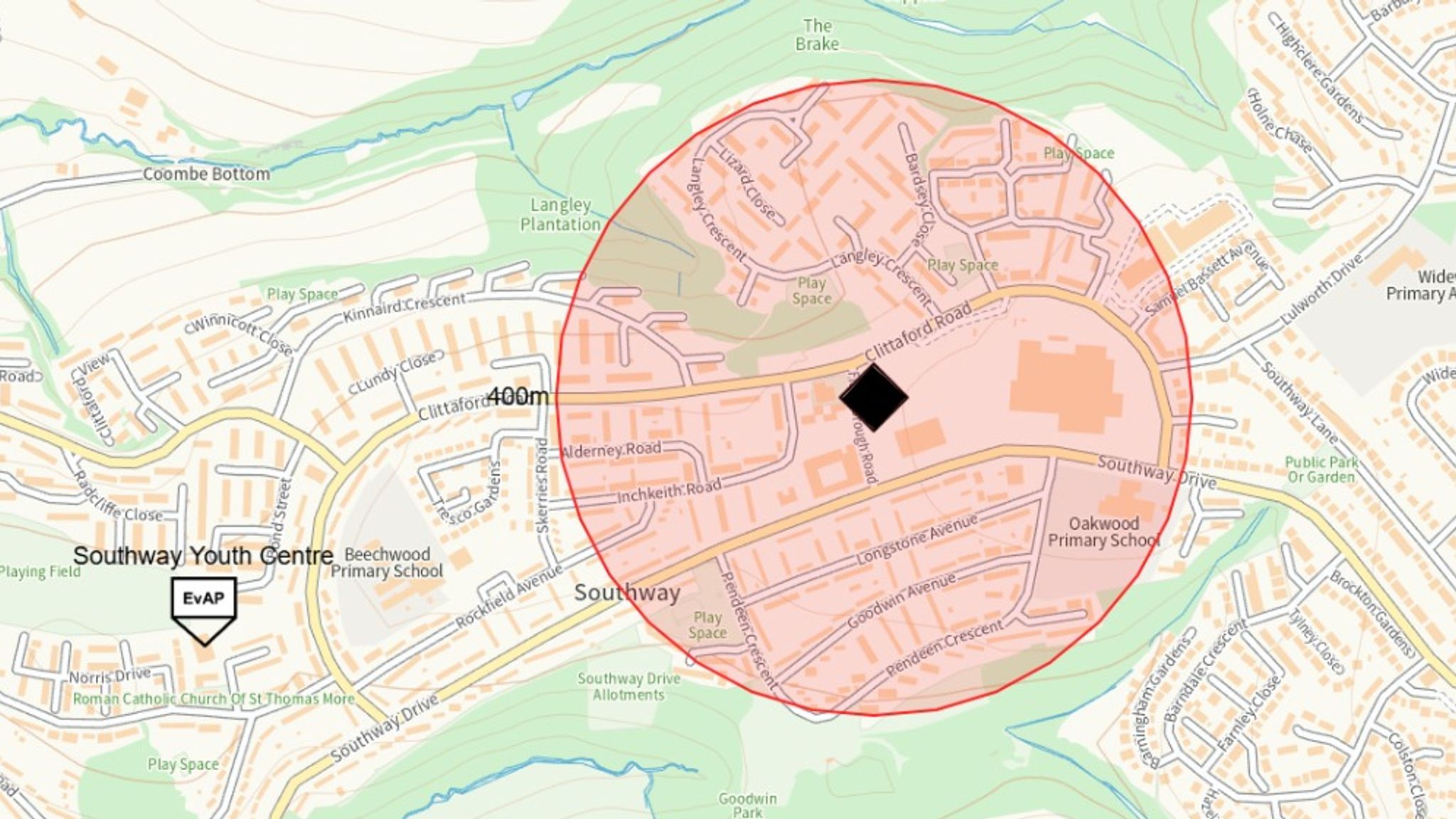
Despite some residents requesting access to their homes for vital items, authorities stressed that the Royal Navy’s advice remains firm: no one should re-enter the cordoned area until the bomb is rendered safe. This precaution is non-negotiable given the potential danger.
Schools within the evacuation zone have been closed, and local bus services are disrupted, further emphasizing the widespread impact of the incident on the community’s routine.
Historical Context and What Lies Ahead
Unexploded bombs from World War II continue to surface across parts of the UK, with Plymouth—an important naval city during the war—being particularly affected. Two years ago, a 500-kilogram German bomb was found in a garden in the nearby Keyham area, triggering the evacuation of thousands and necessitating a controlled detonation at sea. Such discoveries highlight the lasting legacy of wartime ordnance and the ongoing risks posed by buried explosives decades later.
The council has yet to determine how long this evacuation will last, as the complexity of safely disarming the SC250 demands meticulous planning and execution. The presence of advanced X-ray equipment and the involvement of Royal Navy experts underscore the seriousness and technical difficulty of the task.
Why This Matters
Incidents like this serve as a stark reminder of the enduring dangers from the Second World War, especially in historically significant military areas like Plymouth. They also underscore the importance of coordinated emergency responses involving multiple agencies to protect public safety. For residents, the disruption is significant, affecting daily life, schooling, and transport, but the priority remains clear: safeguarding lives by safely neutralizing these hazardous devices.
As authorities continue their work, the community’s cooperation and patience are vital. The ongoing evacuation, safety precautions, and temporary support measures aim to minimize the impact while ensuring the bomb is safely dealt with.
For now, residents remain on alert, with updates to follow as experts progress with this delicate operation.