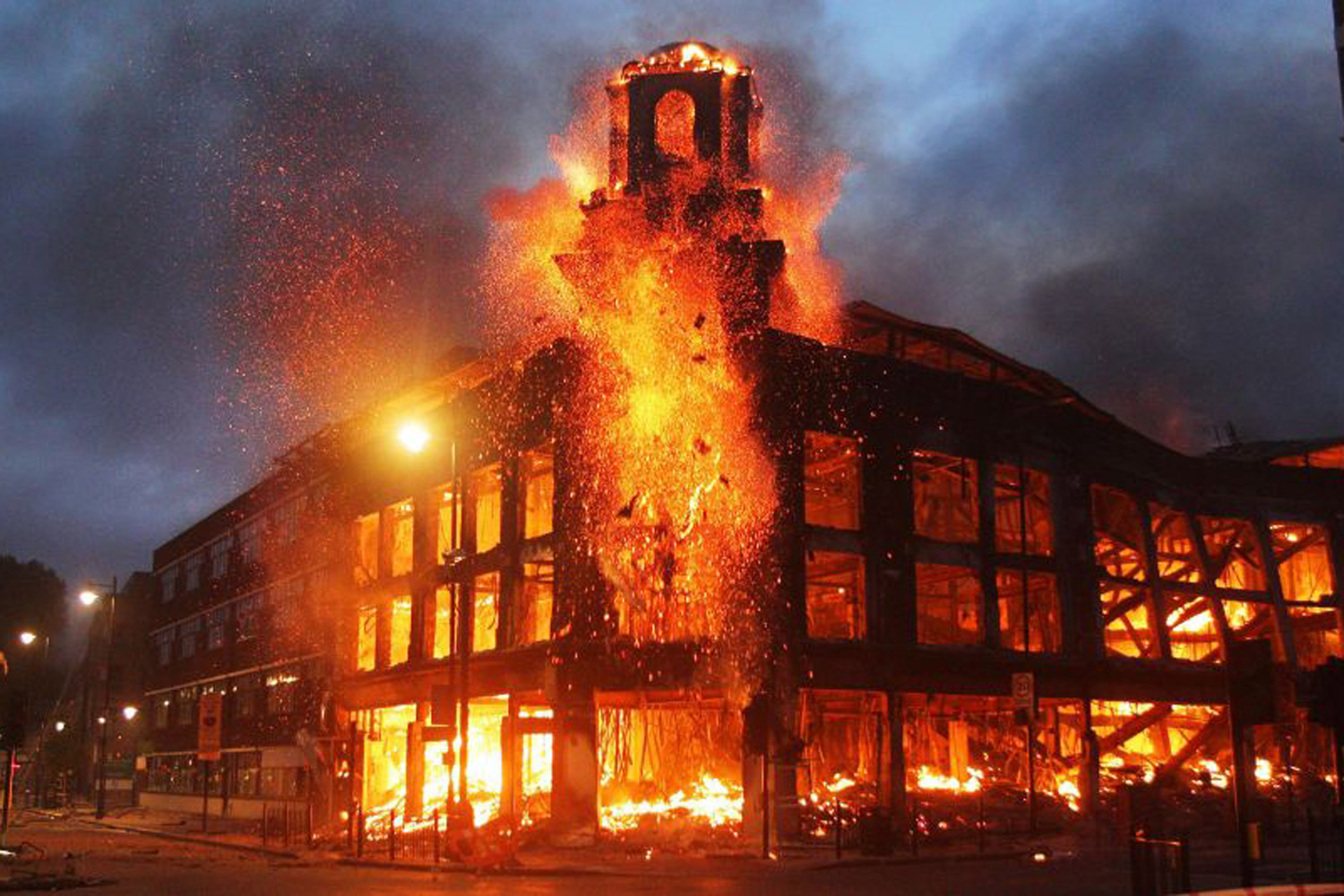
More than two years after the devastating London riots, over 130 victims remain without any compensation, sparking fierce criticism from Labour over broken promises by then-Prime Minister David Cameron and Mayor Boris Johnson. The aftermath of the 2011 disturbances left scores of residents and business owners grappling with severe financial losses due to violence and looting, yet the compensation process has lagged far behind expectations. The scale of unpaid claims highlights a troubling gap between government assurances and the reality faced by those affected.
The Unfulfilled Promises to Riot Victims
Labour’s Shadow Home Office Minister, Steve Reed, revealed the compensation figures after submitting freedom of information requests to the Metropolitan Police. His findings exposed that out of the hundreds of claims filed, less than 16 percent of the total requested funds had been disbursed by late 2013. This means that many victims have been left in financial limbo, despite repeated public commitments from political leaders.
Reed emphatically stated that the victims felt “abandoned and ignored by the Government and the Mayor of London,” underscoring the emotional toll alongside the economic hardship. “With the eyes of the country on him, David Cameron promised the victims of the riots they would not be forgotten and would not be left out of pocket,” Reed said. Yet more than two years later, a significant number of claimants remain unpaid or under-compensated, deepening their hardship and frustration.
The Labour Party’s stance reflects broader concerns about the government’s response to civil unrest and its aftermath. The London riots, which erupted in August 2011, caused widespread damage to properties across multiple boroughs, disrupting lives and businesses. Compensation was intended as a vital lifeline to help rebuild and recover, but the slow progress has undermined confidence in official support mechanisms.
Authorities’ Response and the Complexity of Claims
In contrast, representatives from the Mayor’s Office for Policing and Crime insisted that the narrative of victims receiving no compensation was misleading. A spokesperson clarified that all claimants without insurance who submitted valid claims have been paid. For insured claimants, over 96 percent of claims had been settled by late 2013, with only the most complex cases still unresolved.
This distinction between insured and uninsured claims highlights the intricate nature of processing compensation after widespread civil disorder. The outstanding claims often involve funds owed to insurance companies or elements of claims that were underinsured, which require additional negotiation and verification.
The spokesperson further noted progress in reducing the backlog of claims. “In the last year, the number of outstanding claims has reduced by over two thirds,” they said. Efforts to expedite resolution included meetings between the Deputy Mayor for Policing and Crime, claimants, and the insurance industry aimed at addressing ongoing concerns and facilitating settlements.
Policing, Criminal Justice, and Victims Minister Damian Green also weighed in, emphasizing that both the Metropolitan Police and the Mayor’s office were actively working to resolve pending claims as swiftly as possible. He highlighted a government-commissioned independent review of the Riot Damages Act, designed to modernize the compensation framework. Early in the following year, a public consultation on the review’s recommendations was scheduled, aiming to improve the efficiency and fairness of future compensation processes.

Understanding the Scale and Impact of Unresolved Claims
The Metropolitan Police’s released figures paint a clear picture of the compensation landscape. By March 31, 2013, 3,447 claims had been submitted, with the number rising slightly to 3,535 by November 6, 2013. The total amount claimed escalated from £250.1 million to £299 million in the same period.
Despite this, the amount paid out remained a fraction of the claims: £35.8 million (14.3%) by March 2013 and £46.9 million (15.7%) by November 2013. The stubborn persistence of 133 outstanding claims as of November underscores the difficulty in fully compensating those affected.
The slow pace of compensation has tangible consequences. Many victims, including small business owners who suffered from looting and property damage, faced months or even years of financial strain. The uncertainty over receiving adequate compensation complicates recovery efforts and can hinder rebuilding communities. The government’s challenge lies not only in disbursing funds but also in restoring trust among those who endured significant losses.
Why This Matters and What Lies Ahead
The London riots were a defining moment in the city’s recent history, exposing social fractures and testing public institutions’ resilience. The failure to adequately compensate victims risks exacerbating feelings of injustice and neglect, potentially eroding confidence in government accountability.
Resolving outstanding claims efficiently is essential to helping victims regain stability and to demonstrate that political promises translate into meaningful action. The independent review of the Riot Damages Act signals recognition of systemic issues in the compensation process and offers a path toward reform.
Moving forward, transparent communication, streamlined claims handling, and proactive engagement with affected communities will be critical. Ensuring victims receive fair and timely compensation not only addresses immediate hardships but also contributes to healing and rebuilding trust in public institutions.
Ultimately, the London riot compensation saga underscores the vital importance of government follow-through after crises. Promises of support carry weight only if they lead to tangible outcomes, and the ongoing efforts to resolve these claims will serve as a test of that commitment.