

The United Kingdom has raised its national terror threat level to severe following a shocking stabbing attack targeting two Jewish men in north London. This elevation signals that a terrorist attack is now considered highly likely, underscoring the need for heightened vigilance across the country.
How the UK’s Terror Threat Levels Operate
The UK employs a tiered threat level system to communicate the likelihood of terrorist activity, providing essential guidance for government agencies, law enforcement, and the public. These levels help coordinate security responses and allocate resources effectively.
The Joint Terrorism Analysis Centre (JTAC) is the authoritative body responsible for assessing intelligence and determining the appropriate national threat level. Based at MI5’s headquarters in London, JTAC integrates expertise from 16 different government departments and agencies, including police units and security services.
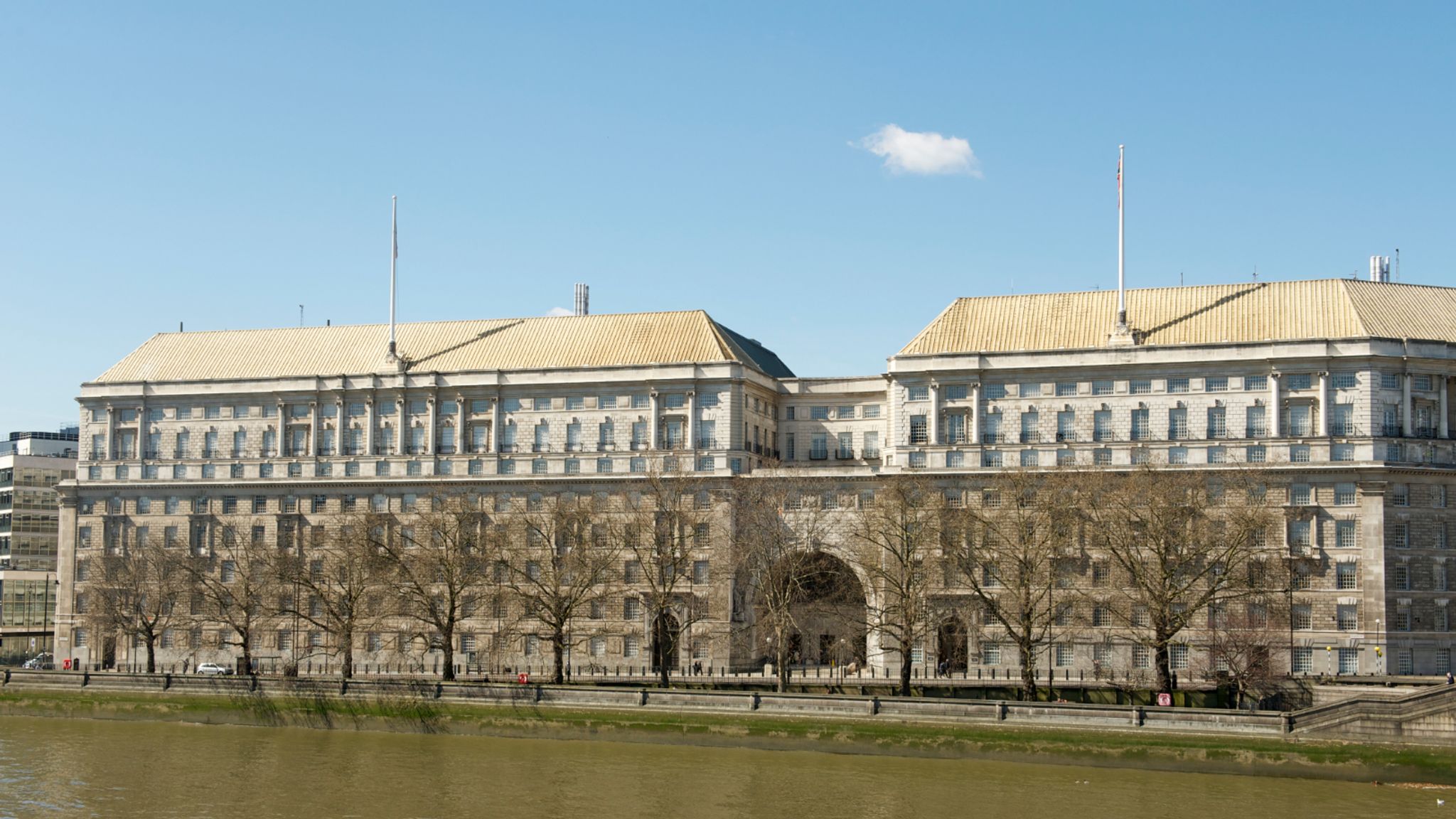
JTAC’s multidisciplinary team continuously monitors intelligence from domestic and international sources. They evaluate potential threats by examining terrorist capabilities, intentions, and methods, drawing on past incidents and emerging patterns.
The UK’s five terror threat levels are:
- Low: An attack is highly unlikely.
- Moderate: An attack is possible but not likely.
- Substantial: An attack is likely.
- Severe: An attack is highly likely (current level).
- Critical: An attack is expected imminently or underway.
Factors Influencing JTAC’s Decisions
When deciding on the threat level, JTAC analyzes several critical factors:
- Current terrorist activity: Comparing ongoing threats with past attacks both within the UK and internationally.
- Capabilities and methods: Assessing the resources and tactics terrorists might employ, based on intelligence and historical precedents.
- Aims and targets: Understanding terrorist objectives and identifying potential targets that may be at risk.
- Imminence: Gauging how close an attack might be to execution.
The Evolution of the UK’s Terror Threat Levels
The UK first introduced this threat level system publicly in 2006, aiming to provide transparency and preparedness in the face of evolving terror threats. Since then, the threat level has most often hovered at severe, rarely dropping below substantial.
The highest alert, critical, has been declared on four notable occasions:
- August 2006, after a foiled plot to detonate explosives on transatlantic flights.
- June 2007, following an attempted car bomb attack at Glasgow Airport.
- May 2017, in the aftermath of the Manchester Arena bombing.
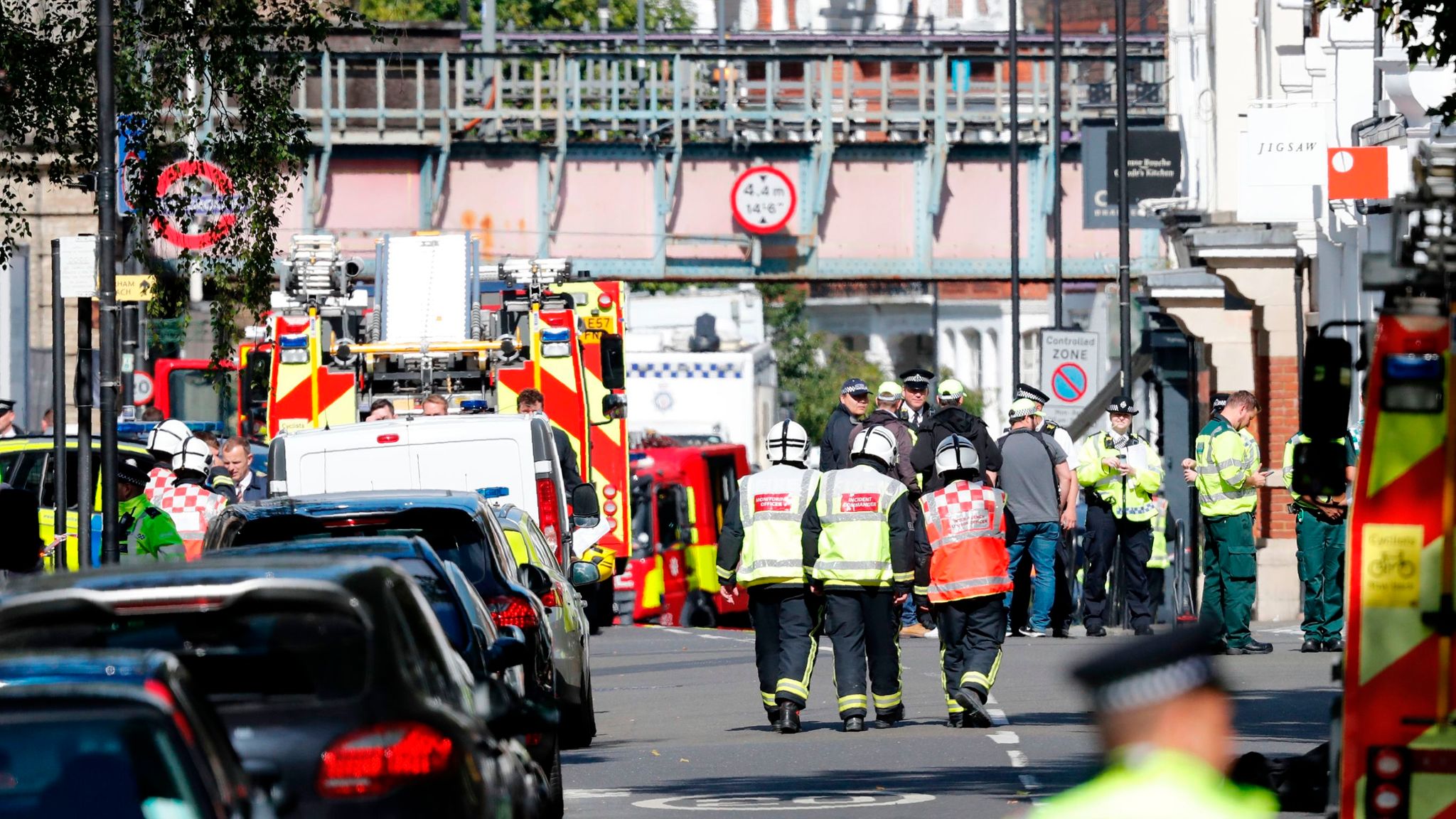
- September 2017, after the Parsons Green District line attack.
Following the Parsons Green attack, the threat level was scaled back to severe within days and remained there until November 2019, when it was lowered to substantial.
The last severe rating before the current one was imposed in November 2021 after two separate incidents within a month: the murder of Conservative MP Sir David Amess in October, and a car explosion outside a Liverpool hospital on Remembrance Sunday. This level was reduced to substantial in February 2022 but has now climbed back to severe amid recent events.
Why This Matters: The Impact of Raising the Threat Level
Elevating the threat level to severe reflects a heightened risk of terrorist activity, prompting increased security measures across public spaces, transport hubs, and critical infrastructure. It signals to law enforcement and intelligence agencies to intensify surveillance, patrols, and readiness for rapid response.
For the public, this alert serves as a reminder to remain vigilant, report suspicious behavior, and stay informed about official guidance. It also influences government policy, potentially leading to the allocation of additional resources for counter-terrorism efforts.
Understanding the UK’s terror threat levels clarifies the government’s assessment of risk and its commitment to public safety. As the situation evolves, authorities will continue to monitor intelligence closely, adjusting the threat level to reflect the prevailing security landscape.
While the recent stabbing attack has raised alarm, the structured threat system ensures that responses remain calibrated, proportionate, and focused on preventing further incidents.
Stay alert, stay informed, and support community resilience as the UK navigates these challenging security times.