

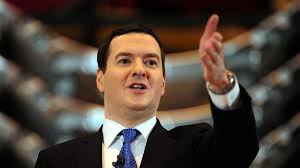
Chancellor George Osborne has announced that the UK government faces the daunting task of implementing an additional £25 billion in budget cuts beyond 2015 to eliminate the national deficit. This revelation underscores the ongoing fiscal challenges confronting the country despite recent economic improvements. Osborne’s forthcoming speech, described as setting out the “year of hard truths,” will detail the government’s priorities for the coming year and signal a continued commitment to austerity measures, with a particular emphasis on welfare reform.

The Scale and Focus of Upcoming Cuts
Osborne has made it clear that the next phase of fiscal consolidation will demand substantial reductions in public spending. Highlighting the welfare budget as the main target, he indicated that the government intends to scrutinize and reform benefit programs more rigorously. While welfare cuts are often politically sensitive, Osborne argued that addressing this area is essential for achieving sustainable public finances.
Interestingly, Osborne drew a distinction between different segments of welfare recipients. He expressed strong support for maintaining generous benefits for pensioners, such as winter fuel payments and free bus passes. This stance followed some public confusion arising from conflicting messages in the Conservative Party about whether these benefits would be preserved ahead of the next general election.
The Chancellor emphasized that cutting benefits for wealthier pensioners would yield only “tens of millions” of pounds – a relatively minor saving in the context of the overall deficit. Therefore, he dismissed this area as a primary target for cuts. Instead, Osborne proposed focusing on housing benefits for younger claimants, especially those under the age of 25. He suggested it was unfair for hard-working young adults who cannot afford independent housing to rely on benefits while living with their parents, advocating for reforms that would encourage greater self-reliance among this group.
Political Implications and Pensioner Support
Pensioners represent a crucial voting bloc, often with high turnout rates in elections. Politicians across the spectrum recognize the importance of securing their support. In this context, Prime Minister David Cameron has made a point of committing to sustained increases in the state pension through to 2020, signaling a promise of financial security for the elderly population.
Osborne’s approach balances fiscal discipline with political pragmatism. By safeguarding benefits for pensioners, the government aims to maintain goodwill among older voters. At the same time, the focus on tightening welfare benefits for younger people reflects a broader agenda to shift public spending priorities and encourage employment and housing independence.
The Economic Context: Progress and Challenges Ahead
In his upcoming speech in Birmingham, Osborne will acknowledge that while the economic outlook has improved, significant challenges remain. He is expected to warn that the government’s fiscal consolidation journey is far from complete. The deficit, though reduced by a third since the coalition took office, still requires further action. Osborne will stress that the UK is currently borrowing around £100 billion annually and that nearly half of this amount goes toward servicing interest on the national debt.
Osborne will contrast his government’s approach to that of the Labour Party, accusing Labour of advocating a return to “borrowing and spending and living beyond our means,” which he claims would saddle future generations with debt. The Chancellor will argue that responsible tax cuts are only viable if accompanied by substantial cuts in public spending, reinforcing the government’s austerity narrative.
He will highlight the progress made, emphasizing that the deficit has shrunk and borrowing per family has decreased by nearly £3,000. Yet, the “year of hard truths” theme serves as a reminder that the fiscal path ahead remains difficult and requires continued sacrifice and reform.
Opposition Response and Broader Debate
The Labour Party has criticized Osborne’s austerity plans, with shadow chief secretary to the Treasury Chris Leslie accusing the Chancellor of failing to deliver growth or improve living standards. Leslie argued that Osborne’s policies have contributed to a cost-of-living crisis for ordinary working people, while benefiting the wealthiest through planned tax cuts.
Labour contends that the need for further spending cuts after 2015 stems from the government’s inability to stimulate sufficient economic growth, resulting in a failure to balance the books effectively. Their alternative vision calls for “earning our way” to higher living standards through investment and fairer deficit reduction strategies.
What This Means for the UK
The announcement of a further £25 billion in cuts signals that austerity will remain a central feature of UK economic policy well beyond the next election. Osborne’s focus on welfare reform reflects ongoing debates about fairness, social responsibility, and economic efficiency. Protecting pensioner benefits while targeting younger claimants encapsulates the government’s attempt to balance political realities with fiscal necessity.
This continuing fiscal tightening raises important questions about the social impact of austerity, particularly on vulnerable groups. It also underscores the political stakes as parties position themselves ahead of the next general election, offering contrasting visions for Britain’s economic future.
Ultimately, Osborne’s “year of hard truths” challenges the public and policymakers alike to confront difficult choices about spending, borrowing, and the long-term health of the UK economy. How these decisions unfold will shape the country’s financial stability and social fabric for years to come.