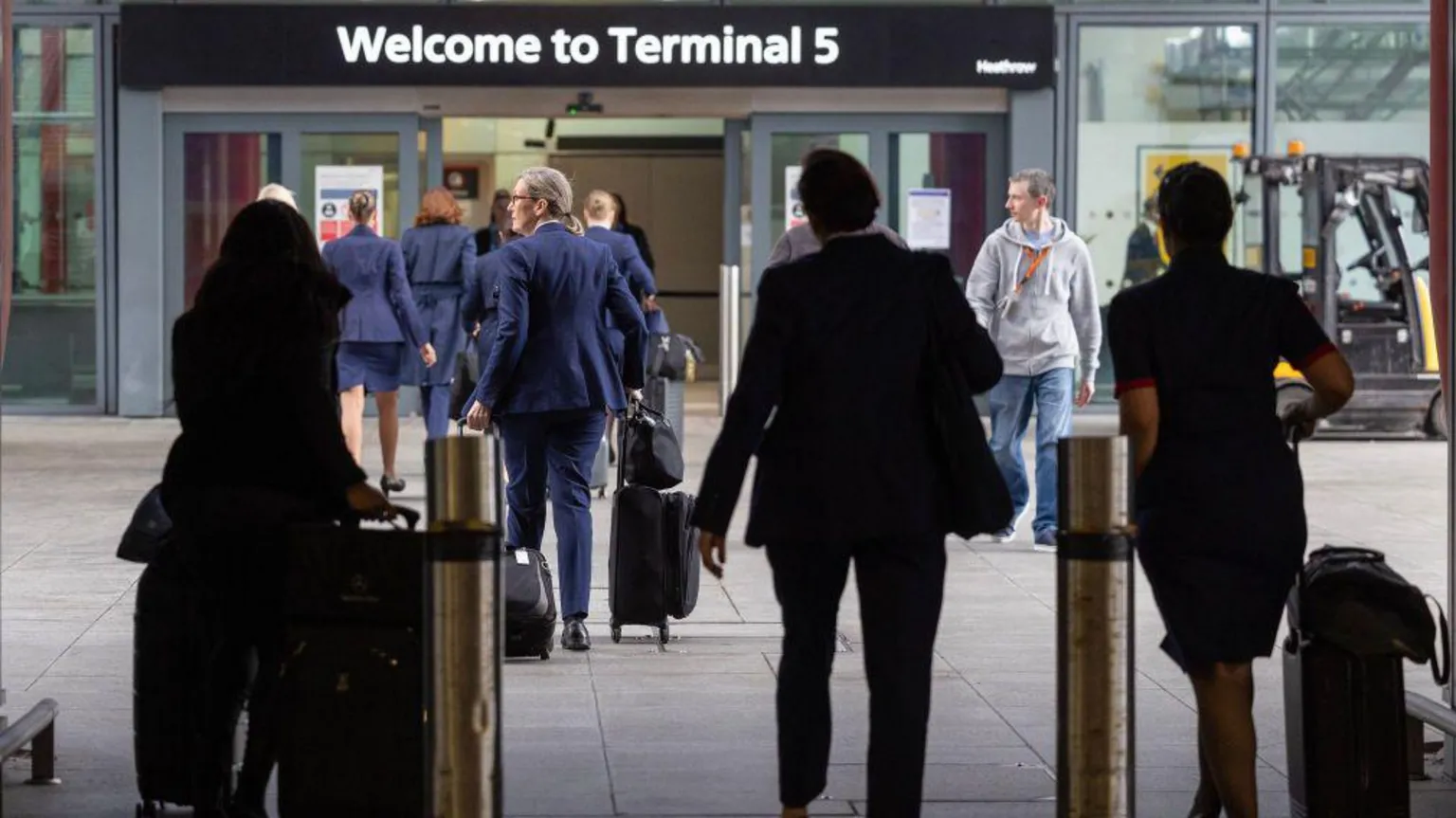
Heathrow Airport, one of the world’s busiest international hubs, experienced a notable decline in passenger numbers in April 2025, with figures dropping by 5.3% compared to the same month last year. The airport’s leadership attributes this downturn primarily to the escalating conflict in the Middle East, which has disrupted travel patterns and prompted adjustments among global travelers.
April Passenger Numbers and the Impact of Geopolitical Tensions
In April 2025, Heathrow handled approximately 6.7 million passengers, down from 7.1 million in April 2024. This downturn marks a significant shift for the west London airport, which has consistently seen steady growth in passenger volumes prior to this period.
Heathrow’s Chief Executive, Thomas Woldbye, explained that the conflict in the Middle East remains the predominant factor behind this short-term disruption. The unrest has unsettled some markets, forcing many travelers to alter or postpone their plans. Despite these challenges, Woldbye emphasized that the overall demand for air travel remains robust, noting that fuel supplies and operational stability at Heathrow have not been compromised.
Underlying Demand and Transfer Passenger Growth
While direct passenger numbers have dipped, Heathrow reports a resilient underlying demand, particularly reflected in a 10% year-on-year increase in transfer passengers during April. Transfer passengers—those who fly into Heathrow and connect onwards to other destinations—have become a vital segment for the airport’s traffic.
This surge in connecting travelers is largely driven by routes to Asia and Oceania, regions that remain popular despite broader geopolitical concerns. Heathrow’s strategic position as a gateway between Europe and these continents continues to attract passengers seeking seamless connections.
The Role of Regional Hub Airports
Major Middle Eastern hubs such as Dubai, Doha, and Abu Dhabi typically process around half a million passengers daily, serving as crucial connecting points between Europe, Asia, and Australia. However, the ongoing conflict has led many travelers to avoid these airports, disrupting the usual flow of international air traffic.
This shift has had a ripple effect across global routes, with some passengers rerouting through Heathrow or opting for alternative travel plans altogether. Heathrow’s ability to capture increased transfer traffic amid this turbulence underscores its importance in the global aviation network.
Why This Matters: The Broader Implications for Global Travel
The dip in Heathrow’s passenger numbers highlights how geopolitical instability can swiftly impact global travel patterns. Airports positioned near conflict zones or reliant on regional hubs in unstable areas face immediate challenges, affecting airlines, passengers, and associated economies.
For Heathrow, maintaining stable operations and capitalizing on transfer passenger growth are crucial strategies to weather this period of uncertainty. The airport’s experience also signals to the aviation industry the need for resilient, adaptable networks that can respond to sudden geopolitical shifts.

Furthermore, travelers are increasingly considering geopolitical risks when planning their journeys, influencing airline route planning and airport traffic flows. This evolving dynamic may shape the future landscape of international air travel for months, if not years, to come.
Looking Ahead
Despite the current challenges, Heathrow remains optimistic about the recovery and growth of passenger traffic. The airport’s leadership continues to monitor the situation closely, focusing on maintaining operational efficiency and safety while supporting the travel demand that persists.
As global tensions evolve, airports like Heathrow will play a pivotal role in adapting air travel networks to ensure connectivity and convenience for millions of passengers worldwide.
Full details on the ongoing impact and future projections have yet to be released.