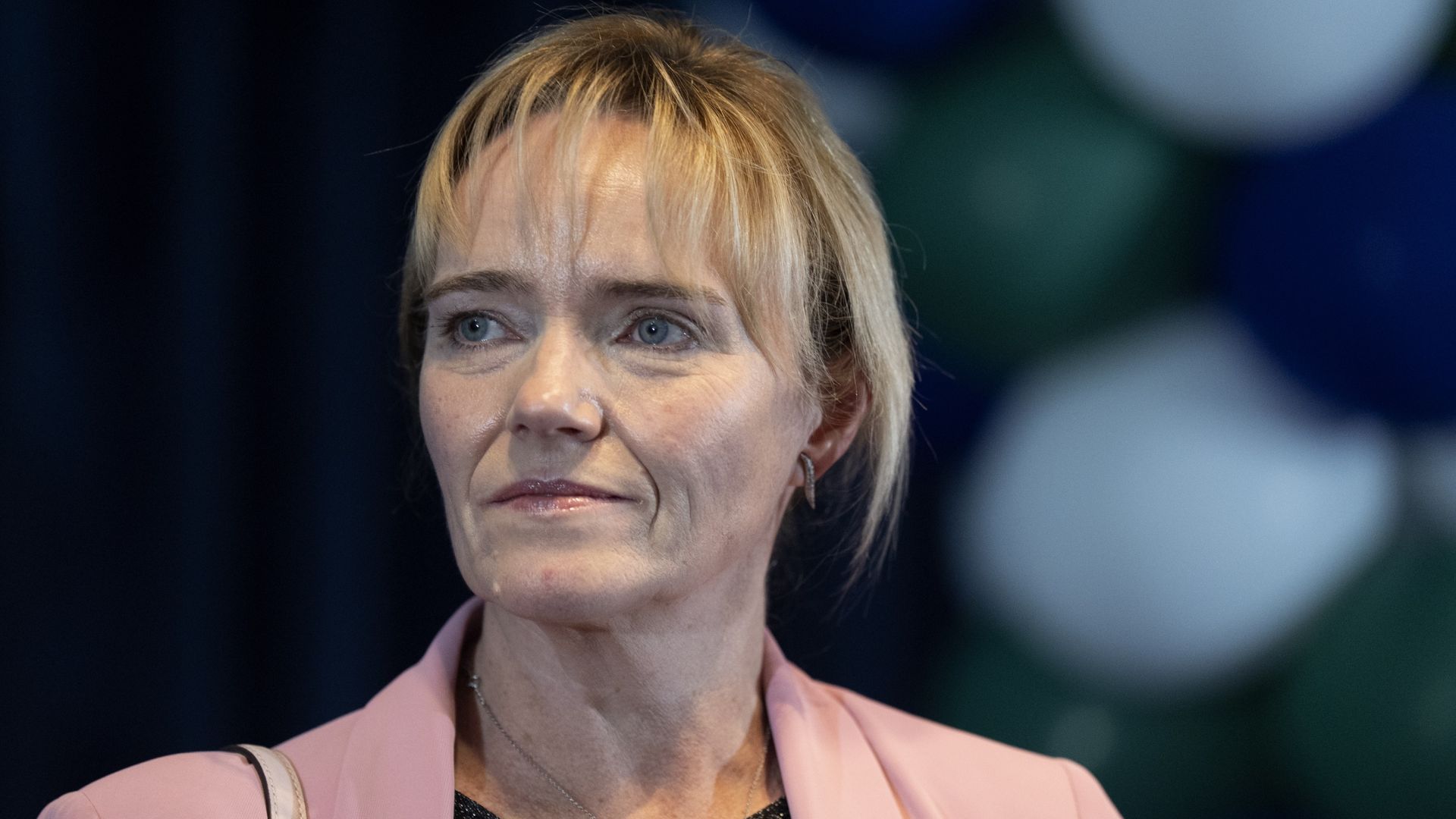
Baroness Anne Longfield, appointed to lead the highly anticipated statutory independent inquiry into grooming gangs, has vowed to confront every uncomfortable truth head-on. Launching the terms of reference, she commits to an unflinching examination of one of the most harrowing scandals in recent UK history.
The inquiry will squarely focus on sexual exploitation by grooming gangs, excluding other forms of abuse such as individual, familial, or institutional cases. Its core mission is to scrutinize the failures of institutions—including police forces and local authorities—that neglected to protect vulnerable children.

Ethnicity, Culture, and Institutional Failures Under the Microscope
A critical element of the inquiry will be to determine whether the ethnicity, culture, or religion of either perpetrators or victims influenced patterns of offending, as well as how these factors shaped institutional responses. The inquiry team sharply critiques past investigations for sidestepping these pressing questions, declaring, “These are questions that previous reviews chose not to address. This inquiry will not avoid them.”
Baroness Longfield emphasized the brutal reality faced by victims: “Children across England and Wales were—and still are—sexually abused and exploited by grooming gangs. Raped. Trafficked. Threatened into silence. That is not disputed. What has been disputed, minimized, or buried for far too long is why the institutions tasked with protecting them so often chose not to act.”
Scope, Timeline, and Challenges Ahead
The inquiry, expected to operate offices in London, Leeds, and Wales, will conclude by March 2029 with a £65 million budget. It confronts significant challenges: the chair is not a judge, survivors remain deeply skeptical, and there is historic reluctance to address ethnicity’s role openly.
Over recent months, the inquiry team has engaged extensively with survivors, many of whom fear this will be another whitewash. Their input shaped the inquiry’s terms of reference, with promises of transparency and regular publication of evidence to hold institutions accountable. The investigation will span 30 years, starting from 1996, examining how grooming gangs operated unchecked and what knowledge police, social services, local authorities, and schools possessed—and how they responded.
Legal Powers and Experienced Leadership
Though Baroness Longfield is not a judge, she will employ legal experts funded by the inquiry’s budget. The inquiry holds statutory powers to compel reluctant witnesses to testify.
Baroness Longfield leads a panel including Zoë Billingham, a seasoned public service inspector, and Eleanor Kelly, former Southwark chief executive who managed the Grenfell disaster response. Together, they bring decades of expertise in child protection, institutional accountability, and safeguarding vulnerable women and girls.
Local Inquiries and Political Backdrop
Alongside the national investigation, multiple local inquiries will receive £5 million each. One is confirmed in Oldham, with pressure mounting for another in Bradford.
The government announced the inquiry following political pressure after Elon Musk’s tweets about grooming gangs in the UK sparked public outcry in January last year. Initially reluctant, the government commissioned Louise Casey’s audit in June, which exposed “ignorance, prejudice, and defensiveness” contributing to failures in child protection and flawed ethnicity data collection. This prompted the commitment to a full statutory inquiry.
After two initial candidates for chair withdrew due to survivor backlash demanding judicial leadership, Baroness Longfield was appointed in December.
Concerns Over Evidence Preservation
Recently, Conservative MP Robbie Moore voiced worries that vital evidence may have been lost due to delays in instructing institutions to preserve records. A Home Office spokesperson assured that since Baroness Casey’s audit, government efforts have focused on safeguarding relevant records.
Government Resolve and Inquiry Launch
Home Secretary Shabana Mahmood described the grooming gangs scandal as “one of the darkest moments in our country’s history,” condemning the “evil child rapists” who abused the most vulnerable. She affirmed the inquiry’s unwavering focus on grooming gangs and its explicit examination of ethnicity, religion, and culture among offenders and institutional responses.
Mahmood declared, “There will be no hiding place for the predatory monsters who committed these vile crimes.” The inquiry is set to commence its investigation on 13 April.