British astronaut Tim Peake is eagerly anticipating the unique sensation of weightlessness as he prepares for his mission to the International Space Station (ISS). This remarkable experience stands out as the highlight of his upcoming six-month stay in orbit, where he will conduct extensive scientific research alongside an international team.
Preparing for the Final Frontier
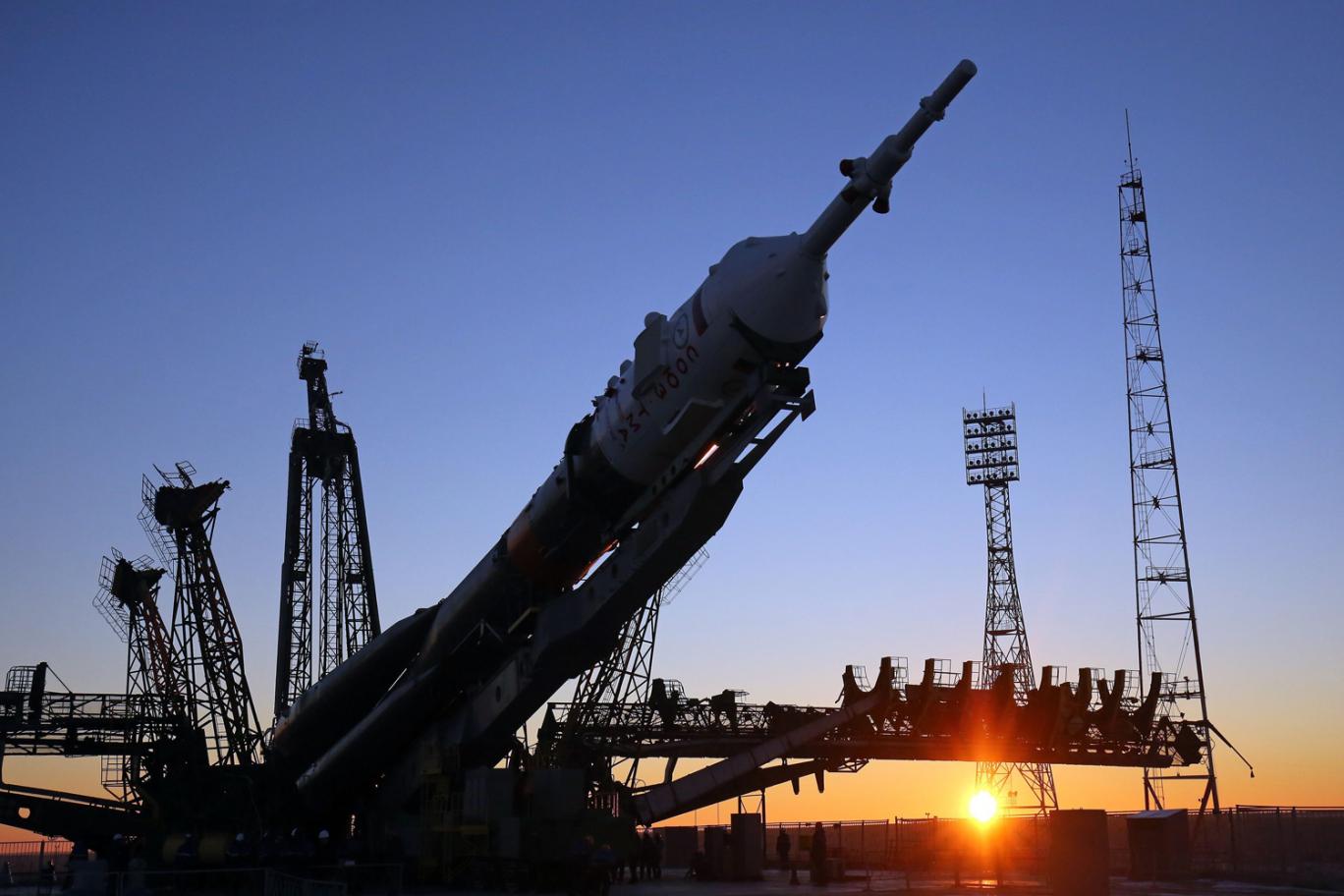
Major Tim Peake, a former Army officer and now a pioneering figure in British space exploration, recently addressed the media from Kazakhstan, the launch site for his historic journey to the ISS. His comments revealed not only his excitement but also the rigorous preparation that underpins every moment of his mission. Training for space travel demands immense physical and mental resilience, and Peake has embraced these challenges with enthusiasm.
One of the most thrilling parts of his preparation involved experiencing weightlessness during parabolic flights, where he floated freely for up to 30 seconds at a time. These brief glimpses of zero gravity offer astronauts a critical preview of life in orbit, helping them adapt to conditions that defy the everyday laws of physics on Earth.
Major Peake also highlighted training for spacewalks, known as extravehicular activities (EVAs), which require astronauts to operate outside the confines of the ISS while wearing bulky, pressurized suits. These exercises simulate the demanding environment of space and prepare crews for maintenance and scientific tasks beyond the station’s hull.
Peake expressed gratitude for the extensive support network behind the mission, emphasizing the teamwork essential for success. From engineers and scientists to mission control personnel, countless experts work tirelessly to ensure every detail is meticulously planned and executed.
__IMAGE_PLACEHOLDER_1__
The Realities of Life on the ISS
Living aboard the ISS presents a series of extraordinary challenges and adaptations. The station orbits Earth approximately every 90 minutes, creating a unique environment where traditional concepts of daily life must be reimagined. Here are some fascinating insights into how astronauts manage life in microgravity:
- Water Recycling: The ISS recycles about 93 percent of its water, reclaiming roughly 6,000 liters annually. American astronauts even drink processed urine, sweat, and shower runoff, a necessity to sustain life in space. Russian crew members, however, rely on different water supplies.
- Air Circulation Challenges: In zero gravity, hot air does not rise, and without ventilation fans, astronauts would suffocate in their own carbon dioxide. Fans circulate air to prevent this dangerous buildup and maintain breathable conditions.
- Sleeping Arrangements: To avoid drifting into air filters or equipment while they sleep, astronauts secure themselves with restraints. Floating free can result in unexpected collisions with the station’s interior.
- Hygiene Limitations: The ISS lacks showers, so crew members use wet towels for cleaning. Clothes are disposable, with astronauts changing into fresh sets approximately every three days.
- Physical Changes: Without gravity compressing their spines, astronauts grow taller by 5 to 8 centimeters during their stay. This expansion can create challenges when moving in confined spaces.
- Timekeeping: The station operates on Greenwich Mean Time (GMT) to coordinate activities among international partners. Initially, ISS time was set to Houston’s local time, but this conflicted with Russian operations, necessitating a universal time standard.
- Working in Microgravity: Even the simple act of typing can push astronauts away from their keyboards. To counteract this, desks have foot loops that help stabilize crew members while working.
- Food and Nutrition: NASA astronauts enjoy real ice cream in space, a treat that has evolved from the freeze-dried versions first sent up during the Apollo missions. Meanwhile, the crew must adapt to unique packaging and limited options.
- Crew Dynamics: Western and Russian astronauts often live and work in separate sections of the station, meeting mainly at meal times. These gatherings foster camaraderie and allow for informal exchanges, including food bartering.
__IMAGE_PLACEHOLDER_2__
Geopolitics and the Future of the ISS
The International Space Station represents a remarkable example of international cooperation, yet it is not immune to political tensions on Earth. Recent geopolitical events, such as Russia’s annexation of Crimea, have stirred discussions about the future collaboration between Russian and Western partners in space.
Some Russian political figures have proposed detaching the Russian segment of the ISS to operate it independently, reflecting broader strategic ambitions. However, practical considerations complicate such plans. Russia still needs to complete the integration of a new laboratory and a science and power module, projects unlikely to finish before 2020. The ISS’s complex infrastructure and reliance on mutual support make any unilateral moves challenging.
Despite political frictions, cooperation aboard the ISS continues, underscoring the station’s role as a symbol of peaceful scientific collaboration transcending terrestrial conflicts.
__IMAGE_PLACEHOLDER_3__
Why Tim Peake’s Mission Matters
Major Peake’s journey to the ISS is more than a personal achievement; it marks a milestone for the United Kingdom’s involvement in human spaceflight. His mission showcases the growing role of international partners in advancing space exploration and scientific discovery.
The experiments conducted during his six-month stay will contribute to understanding how humans adapt to long-duration spaceflight and improve technologies for future missions, including potential journeys to the Moon and Mars.
Moreover, Peake’s enthusiasm for weightlessness and spacewalks inspires public interest and education in science, technology, engineering, and mathematics (STEM) fields. By sharing his experiences, he encourages a new generation to look beyond our planet and embrace the challenges and opportunities of space exploration.
Looking Ahead
As Tim Peake prepares to launch, the world watches with anticipation. His mission embodies the spirit of exploration, the power of international cooperation, and the relentless human curiosity to push beyond known boundaries. The experiences and knowledge gained aboard the ISS will pave the way for future explorers and may ultimately transform life both in space and on Earth.