The UK telecoms industry has reached a pivotal moment as the Competition and Markets Authority (CMA) has given the green light to BT’s £12.5 billion acquisition of EE, the country’s leading mobile network operator. This landmark decision follows an extensive ten-month probe that scrutinized the potential effects of the merger on competition, consumer choice, and market dynamics within the telecommunications sector.
What Happened in the BT-EE Takeover Review
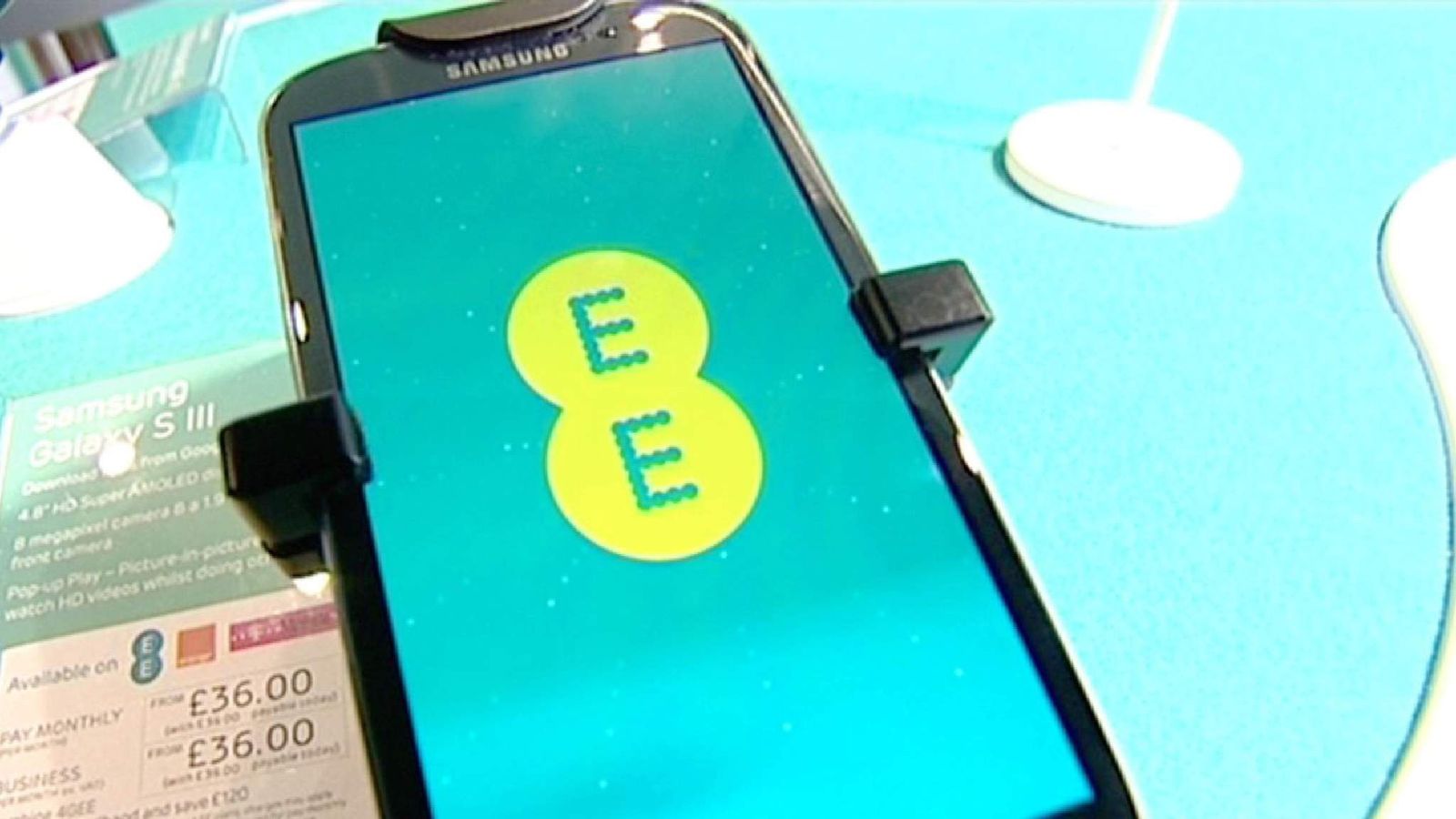
BT’s ambitious plan to reclaim a dominant position in the mobile market culminated in the proposed purchase of EE, which operates the Orange and T-Mobile networks and holds nearly a third of the UK’s mobile subscribers. The Competition and Markets Authority undertook a rigorous investigation, initially releasing provisional findings last autumn that foreshadowed approval.
Throughout the process, the CMA carefully weighed a broad spectrum of stakeholder concerns. These included apprehensions from customers worried about potential price hikes and competitors wary of losing access to essential wholesale services. The regulator also examined the implications for services such as retail mobile, wholesale mobile, mobile backhaul, wholesale broadband, and retail broadband.
Despite these concerns, the CMA concluded that the merger would not substantially lessen competition across any relevant markets. John Wotton, chair of the inquiry, emphasized that the combined BT and EE entity would neither have the ability nor the incentive to restrict competitors by withholding vital wholesale services like backhaul or broadband access. This was a crucial factor in the final decision.
__IMAGE_PLACEHOLDER_1__
Why This Merger Matters for the UK Telecoms Landscape
BT’s acquisition of EE marks a significant shift in the UK’s telecommunications landscape. Since spinning off BT Cellnet in 2001, BT has aimed to re-establish itself as a major mobile contender. As the UK’s largest fixed-line telecom business, BT’s move into mobile signals a renewed strategy to offer comprehensive telecommunications packages.
The deal enables BT to provide ‘quad play’ services, bundling TV, mobile, broadband, and fixed-line phone services into a single package for its estimated 35 million customers. This integrated offering aims to enhance consumer convenience and create competitive pricing options in a sector historically segmented among several providers.
However, the merger has sparked debate, particularly around the role of Openreach, BT’s division responsible for maintaining the UK’s broadband infrastructure. Industry players such as Sky and TalkTalk voiced concerns about Openreach’s independence and whether the merger might consolidate too much market power in BT’s hands, potentially disadvantaging competitors who rely on Openreach’s network.
__IMAGE_PLACEHOLDER_2__
Industry Reactions and Regulatory Context
Sky, which recently partnered with O2 to offer mobile services to its customers, was among the companies opposing the merger, arguing that telecom infrastructure providers like Openreach should operate independently to foster fair competition. The CMA acknowledged these wider sector concerns but clarified that its role was to assess the specific impact of the BT-EE merger on competition and consumers.
John Wotton highlighted that ongoing reviews by Ofcom, the UK’s communications regulator, are addressing broader regulatory challenges and the future structure of the telecoms sector, including Openreach’s governance.
TalkTalk expressed disappointment at the CMA’s approval, warning that the enlarged BT could dominate the market even more than it did before privatisation 30 years ago. They stressed the importance of safeguarding broadband infrastructure investment and urged Ofcom to carefully consider Openreach’s future to avoid stagnation in the UK’s digital development.
What Comes Next: Implications and Outlook
The CMA’s approval means the BT-EE deal is on course to complete by the end of March, setting the stage for a new era in UK telecommunications. BT’s chief executive, Gavin Patterson, described the combined company as a “digital champion for the UK,” emphasizing its commitment to investing in fibre broadband and cutting-edge mobile services. He expressed confidence that consumers, businesses, and communities across the country would benefit from the merger’s enhanced service offerings and innovation.
Looking forward, the merger could reshape competitive dynamics by intensifying the race to provide bundled, seamless telecom services. Customers may see more integrated billing and improved network coverage, while competitors will need to adapt to a landscape dominated by a powerful new player.
__IMAGE_PLACEHOLDER_3__
Nonetheless, the concerns raised during the CMA’s review underscore the delicate balance regulators must maintain between encouraging industry consolidation for efficiency and preserving a competitive market that fosters innovation and fair pricing.
With the UK’s telecom sector undergoing rapid transformation driven by technological advances and consumer demand for integrated services, the BT-EE merger stands as a critical milestone. How regulators, competitors, and consumers navigate this new terrain will shape the country’s digital infrastructure and service quality for years to come.