

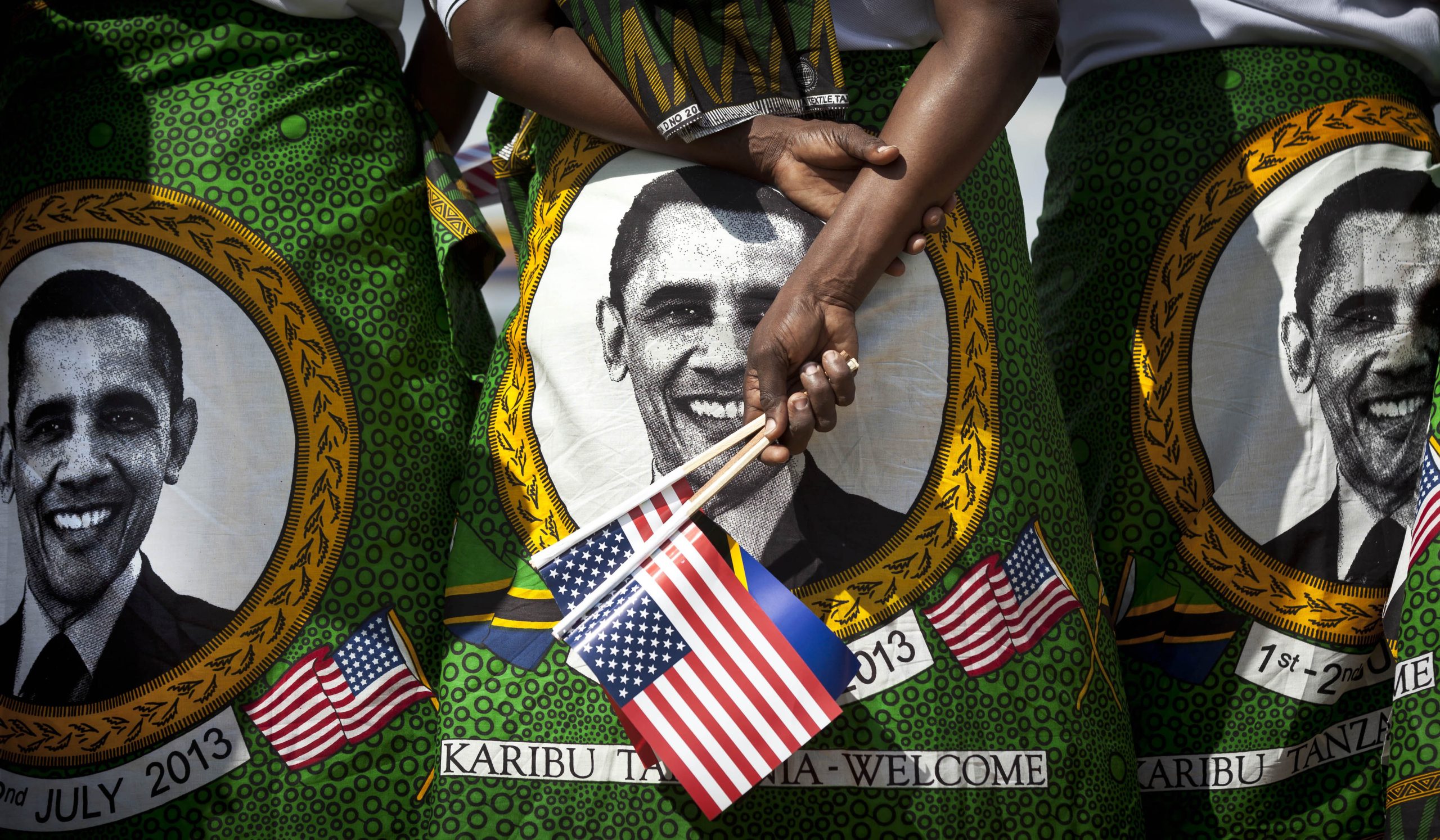
President Barack Obama has embarked on a landmark journey, initiating the first leg of his most comprehensive presidential tour to Africa. This week-long trip will cover three significant countries: Senegal, South Africa, and Tanzania, marking an important chapter in U.S.-Africa relations during his administration.
What Happened: A Historic Presidential Visit
On Wednesday night, Air Force One landed in Dakar, the capital of Senegal, officially kicking off President Obama’s African itinerary. He was accompanied by First Lady Michelle Obama and their daughters, Malia and Sasha, underscoring the personal and familial significance of this journey. This visit represents President Obama’s first multi-country trip to the continent since taking office, having previously made only a brief one-day visit to Ghana in 2009.
The president’s connection to Africa runs deep. His father was born in Kenya, and many of his relatives still reside there, giving this trip a powerful personal dimension. The choice of Senegal as the initial destination is symbolic, highlighting West Africa’s rich history and its ties to the broader African diaspora.
__IMAGE_PLACEHOLDER_1__
Following Senegal, President Obama will travel to South Africa and Tanzania, each country representing unique facets of Africa’s political and economic landscape. The itinerary balances recognition of Africa’s complex history with a forward-looking emphasis on growth, democracy, and opportunity.
Why It Matters: Promoting Democracy and Economic Growth
While the trip is not expected to yield major new policy announcements, its significance lies in the broader goals President Obama intends to advance. The administration has emphasized the importance of strengthening democratic institutions across the continent. Africa’s political landscape is diverse and evolving, and encouraging transparent governance and democratic processes remains a priority for the United States.
Another key focus of the visit is Africa’s burgeoning youth population, which represents both a challenge and an opportunity. With millions of young people entering the workforce, there is a pressing need to expand educational and employment prospects. President Obama aims to spotlight these opportunities, encouraging initiatives that support entrepreneurship, innovation, and job creation.
Additionally, the trip serves to promote Africa as a vital and growing market for U.S. businesses. Economic ties between the United States and African nations have the potential to deepen, benefitting both sides through trade, investment, and technological exchange. Strengthening these connections aligns with the White House’s broader strategy of global economic engagement.
__IMAGE_PLACEHOLDER_2__
White House spokesman Jay Carney highlighted the strategic importance of the visit, stating that presidential trips to regions like Africa generate “enormous benefits in terms of our relationship with the countries visited and the countries in the region.” He emphasized that this journey is part of a sustained engagement rather than a one-off event, aimed at enhancing and deepening diplomatic and economic ties.
Historical Significance: Honoring Africa’s Past
Throughout the visit, President Obama will pay homage to the continent’s complex and often painful history. In Senegal, he will visit Goree Island, a poignant site that served as a major hub for the Atlantic slave trade. This stop acknowledges the enduring legacy of slavery and the resilience of African peoples.
In South Africa, the president will tour Robben Island, the notorious prison where Nelson Mandela spent 18 of his 27 years incarcerated during apartheid. Mandela’s struggle and eventual triumph symbolize the fight for freedom and equality, ideals that resonate deeply with the themes of President Obama’s visit.
__IMAGE_PLACEHOLDER_3__
At the time of the visit, concerns lingered about Nelson Mandela’s health, as he remained hospitalized, underscoring the enduring impact of his leadership and the global attention focused on South Africa’s ongoing journey toward reconciliation and justice.
What This Means: A Forward-Looking Engagement
President Obama’s week-long trip to Africa is more than a diplomatic tour; it represents a commitment to fostering a multifaceted partnership with a continent full of promise and complexity. By focusing on democracy, youth empowerment, and economic development, the administration aims to build a foundation for long-term collaboration.
This visit underscores the United States’ recognition of Africa as a continent with vast potential and a critical partner in global affairs. It also reflects President Obama’s personal connection to the region, bringing a unique perspective to the diplomatic mission.
As the trip progresses through Senegal, South Africa, and Tanzania, observers will watch closely for how these engagements translate into tangible progress. While immediate policy breakthroughs may be limited, the symbolic and strategic value of the visit sets the stage for deeper cooperation in the years ahead.