

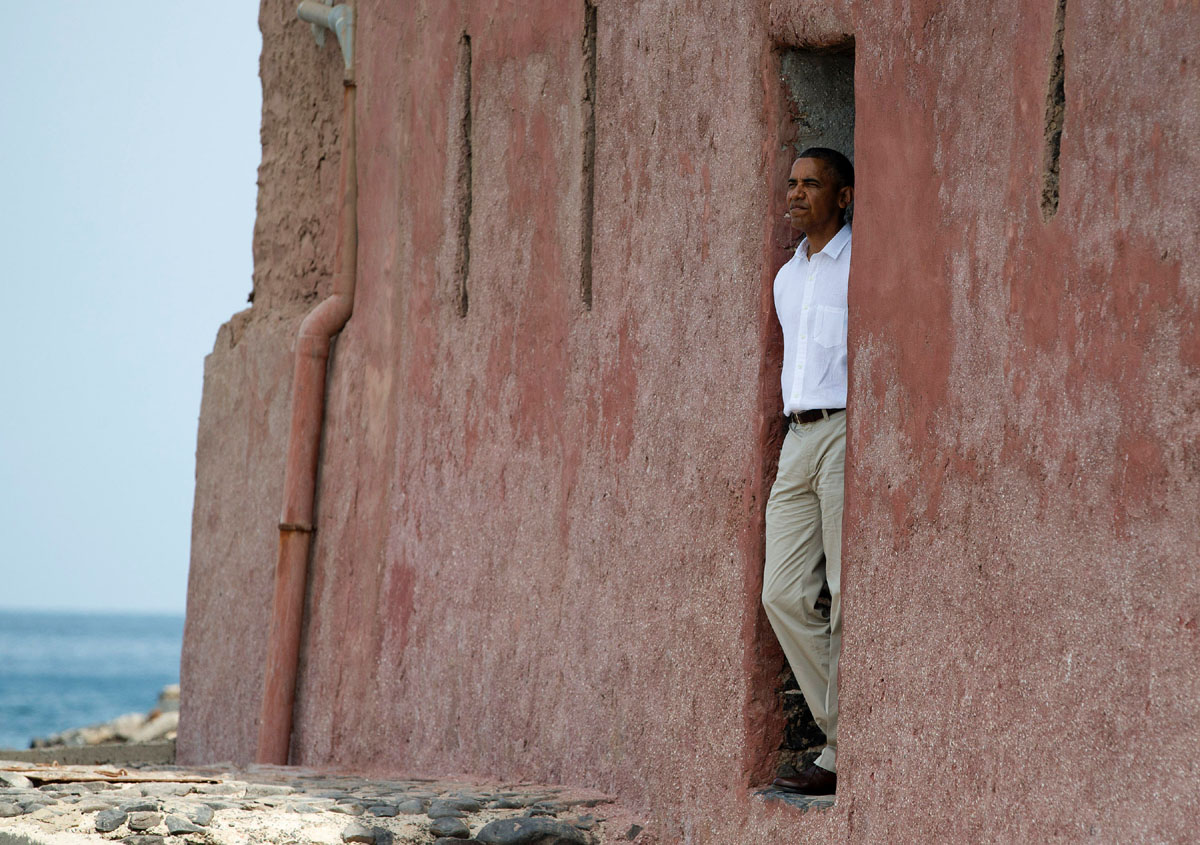
President Barack Obama’s visit to the historic island of Goree in Senegal marked a profound and symbolic beginning to his extensive tour of Africa. This journey carried deep historical resonance, as Goree Island once served as a notorious slaving post from which countless Africans were forcibly transported across the Atlantic during the transatlantic slave trade. The President’s presence there was more than a diplomatic gesture; it was a solemn acknowledgment of a painful chapter in human history and a call to remember the enduring struggle for human rights and dignity.
__IMAGE_PLACEHOLDER_1__
Reflecting on Goree Island: A Powerful Encounter with History
Goree Island stands as a stark reminder of the atrocities of slavery. The small, windswept island off the coast of Dakar was one of the last stops before African men, women, and children were shipped away to the Americas. For President Obama, whose own heritage is intimately connected to Africa, this visit carried exceptional personal and symbolic significance. Accompanied by his wife, Michelle Obama, and their daughters, Malia and Sasha, he described the experience as a “very powerful moment.”
As an African American, Obama emphasized that the visit deepened his resolve to champion human rights worldwide. The island’s grim history serves as a warning about the consequences when those rights are ignored or trampled. It poses a stark contrast to the ideals of liberty and equality that the United States and many nations strive to uphold today. This moment of reflection on Goree Island underscored the enduring legacy of slavery and its lasting impact on global consciousness.
Advocating Equality: A Stand on Human Rights and LGBT Rights in Africa
Later that same day, President Obama delivered a candid and impassioned speech addressing a contentious issue on the continent: the rights of gays and lesbians. In many African countries, homosexuality remains illegal, often accompanied by harsh penalties and widespread social stigma. Obama challenged these discriminatory laws by asserting that all individuals, regardless of their sexual orientation, deserve equal treatment under the law.
“My basic view is that regardless of race, regardless of religion, regardless of gender, regardless of sexual orientation, when it comes to the law, people should be treated equal,” he stated unequivocally. This progressive stance reflected not only his commitment to universal human rights but also his willingness to engage with sensitive topics that resonate across Africa’s diverse cultural landscapes.
By advocating for LGBT equality, Obama sought to inspire African governments and societies to embrace inclusivity and reject discrimination. His remarks represented a significant moment in the ongoing dialogue about human rights on the continent, highlighting the intersection of tradition, law, and evolving social values.
__IMAGE_PLACEHOLDER_2__
The Broader Context: Obama’s Africa Tour and Its Significance
President Obama’s arrival in Dakar marked the first stop on a three-nation itinerary that also includes South Africa and Tanzania. This week-long trip is the most comprehensive visit to Africa during his presidency, underscoring his personal and political ties to the continent. Born to a Kenyan father, Obama has often spoken about his connection to Africa and the importance of strengthening ties between the United States and African nations.
Despite his deep roots, Obama had only spent a single day in Africa since becoming president prior to this tour, a brief 2009 visit to Ghana. This current journey, therefore, holds considerable weight as it offers an opportunity to engage directly with African leaders and citizens on a range of issues, from economic development and security cooperation to human rights and democratic governance.
One poignant aspect of Obama’s itinerary is his planned visit to Robben Island in South Africa, the infamous prison where Nelson Mandela endured 18 years of incarceration under apartheid. Mandela’s legacy of resilience and reconciliation looms large over the tour, serving as a beacon of hope and justice for the continent. As Mandela remains hospitalized, the symbolism of Obama’s stop at Robben Island adds a layer of solemnity and respect to the visit, connecting past struggles with present aspirations for freedom and equality.
__IMAGE_PLACEHOLDER_3__
Why This Matters: The Lasting Impact of Obama’s African Engagement
President Obama’s visit to Goree Island and his broader tour of Africa represent more than diplomatic formalities. They reflect a conscious effort to confront the painful histories that shape contemporary realities and to promote ideals of equality and justice. By standing on the grounds where countless lives were uprooted by slavery, Obama not only honored those who suffered but also reaffirmed a commitment to human rights that transcends continents and centuries.
His outspoken support for the equal treatment of all people under the law challenges entrenched prejudices and encourages open dialogue on difficult issues within African societies. Furthermore, the personal nature of his connection to Africa lends authenticity and urgency to his message, fostering mutual respect and cooperation between the United States and African nations.
As this historic visit unfolds, it invites reflection on the progress made and the challenges ahead in achieving a world where dignity, freedom, and equality are truly universal. Obama’s journey through Africa is a reminder that understanding history is essential to shaping a more just and inclusive future.